
Author: Rohan Omer

  • What Are System Integration Services? 

    In today’s data-driven world, businesses rely on a complex ecosystem of software applications (enterprise applications, cloud-based applications, on-premise applications) to manage operations, analyze customer behavior, and drive growth.

    But what happens when these systems operate in silos, with information locked away and communication channels fragmented? This is where system integration services come into play. 

    Imagine your CRM system can’t talk to your marketing automation platform. Your sales team needs help accessing customer purchase history from your e-commerce store. And your finance department remains blind to real-time inventory levels. This data isolation creates a significant barrier to efficiency, hinders informed decision-making, and ultimately impacts your bottom line. 

    System integration services bridge this gap by seamlessly connecting disparate software systems, enabling them to exchange data and work together as a unified whole. They act as translators and connectors, ensuring information flows freely and harmonizes functionalities. 

    Here’s a deeper dive into what system integration services entail and how they can benefit your enterprise, startup, or seed-funded company. 

    Understanding System Integration: The Core Function 

    Understanding System Integration: The Core Function 

    System integration services involve connecting different software applications to create a unified and collaborative IT environment. This allows data to flow smoothly between systems, eliminating information silos and streamlining business processes. 

    There are various approaches to system integration, each with its strengths and applications. Here are some common types of system integration methods: 

    • Point-to-Point Integration: This involves connecting two specific systems directly for a focused data exchange. 
    • Enterprise Application Integration (EAI): This broader approach integrates multiple systems across an organization, providing a centralized platform for data exchange. 
    • Application Programming Interface (API) Integration: APIs act as intermediaries, allowing applications to communicate and share data securely. 
    • Data Warehouse Integration: This integrates data from various sources into a central repository for comprehensive analysis. 
    • Cloud Integration: With the growing adoption of cloud-based solutions, integration services ensure seamless data exchange between cloud and on-premise applications. 

    The most suitable integration approach depends on your specific needs and system landscape. 

    The Power of Integration: Business Benefits Abound 

    The Power of Integration: Business Benefits Abound 

    By integrating your systems, you unlock a multitude of benefits that can propel your business forward: 

    • Enhanced Operational Efficiency: Streamlined workflows, automated data transfer, and improved visibility across operations lead to significant efficiency gains. 
    • Data-Driven Decision Making: With all your data readily accessible, you can gain valuable insights to make informed strategic decisions. 
    • Improved Customer Satisfaction: Integrated systems allow you to offer a more personalized and responsive customer experience. 
    • Reduced Costs: Automation and optimized processes significantly reduce manual effort and operational costs. 
    • Increased Revenue Potential: By leveraging data insights, you can identify growth opportunities and make data-driven decisions to improve sales and marketing efforts. 

    Real-World Example:

    Imagine a seed-funded company with a separate system for customer orders, inventory management, and shipping.

    Integrating these systems would automate order fulfilment, reduce errors, and improve customer satisfaction by providing real-time delivery tracking information. This would translate to cost savings, increased efficiency, and higher customer retention and growth potential. 

    Challenges to Consider: Navigating the Integration Landscape 

    Challenges to Consider: Navigating the Integration Landscape 

    While system integration offers undeniable advantages, it’s not without its challenges: 

    • Legacy System Integration: Integrating older, on-premise systems with newer cloud-based solutions requires careful planning and expertise. 
    • Data Security and Compliance Concerns: Data security and regulation compliance are paramount during integration. 
    • Choosing the Right Integration Approach: The most suitable integration method for your needs requires careful consideration. 
    • Project Management and Change Management: Effective system integration implementation requires robust project management and well-defined change management strategies to minimize disruption. 
    • A reliable system integrator can help you navigate these challenges and ensure a smooth, successful integration process. 

    Demystifying Integration Types: Choosing the Right Approach 

    Demystifying Integration Types: Choosing the Right Approach 

    Now, let’s delve deeper into different system integration types to understand their functionalities: 

    • Point-to-point integration is a simple and efficient approach to connecting two specific systems for a focused data exchange. However, it can become complex when managing multiple integrations. 
    • Enterprise Application Integration (EAI): This offers a broader solution, providing a centralized platform for data exchange between various enterprise systems. It’s ideal for organizations with complex IT landscapes. 
    • Application Programming Interface (API) Integration: APIs act as intermediaries, allowing applications to communicate and share data securely. This flexible approach is well-suited for integration. 
    • Data Warehouse Integration involves integrating data from various sources, such as CRM systems, ERP systems, and marketing automation platforms, into a central repository for comprehensive analysis. Data warehouses empower data-driven decision-making and business intelligence initiatives. 
    • Cloud Integration: With the increasing adoption of cloud computing, cloud integration services ensure seamless data exchange between cloud-based applications and on-premise systems. It enables a hybrid IT environment where businesses can leverage the scalability and agility of the cloud while maintaining control over sensitive data stored on-premise. 

    Choosing the Right Integration Approach

    Choosing the Right Integration Approach

    The optimal system integration approach depends on your specific needs and IT infrastructure. Here are some factors to consider: 

    • Number and type of systems to be integrated: Point-to-point integration suffices for a simple two-system connection, while EAI is better suited for complex IT landscapes with numerous systems. 
    • Desired level of data visibility and accessibility: Data warehouse integration is ideal if you require a centralized repository for comprehensive data analysis. 
    • Security requirements: Cloud integration demands robust security measures to protect data across cloud and on-premise environments. 
    • Budget and timeline constraints: Different integration approaches vary in cost and implementation complexity. 

    Finding the Perfect System Integrator Partner

    Finding the Perfect System Integrator Partner

    A skilled system integrator can assess your needs, recommend the most suitable approach, and ensure a smooth integration process. Here are some qualities to look for in a potential partner: 

    • Experience in your industry and with relevant technologies: Choose an integrator with a proven track record of successful projects and expertise in the specific integration methods you require. 
    • Strong communication and collaboration skills: Effective communication is critical to understanding your needs and ensuring a successful project outcome. 
    • Focus on data security and compliance: Data security should be a top priority. Choose an integrator with robust security practices and a commitment to compliance with relevant regulations. 

    By leveraging system integration services and partnering with a qualified integrator, you can unlock the power of your data, streamline operations, and gain a competitive edge in today’s data-driven business landscape. 

    Conclusion 

    Conclusion

    System integration services are vital in connecting and unifying the complex ecosystem of software applications that power modern businesses.

    By integrating your systems, you can eliminate data silos, gain valuable insights, and optimize workflows to achieve significant business benefits. 

    Additional Resources: 

  • Top 10 Outsourced Software Product Engineering and Development Companies 

    In today’s dynamic business landscape, software development is no longer a luxury – it’s a necessity. For many companies, however, building an in-house development team can be a costly and time-consuming endeavor. This is where outsourced software product engineering and development companies come in. 

    The Rise of Outsourced Software Development 

    The Rise of Outsourced Software Development 

    Outsourcing software development offers a compelling alternative, allowing companies to access a global pool of skilled developers, reduce development costs, and accelerate project timelines. This approach has seen a significant rise in popularity, particularly among enterprise companies, startups, and seed-funded ventures. 

    Benefits of Outsourcing Software Development 

    Benefits of Outsourcing Software Development 

    There are several key benefits to consider when exploring outsourced software development: 

    • Cost-Efficiency: Building an in-house team requires significant investment in salaries, benefits, and infrastructure. Outsourcing allows you to tap into a wider talent pool at potentially lower costs. 
    • Access to Specialized Skills: Finding developers with the exact skillset you need can be challenging. Outsourcing partners often have a wider range of expertise, allowing you to find the perfect fit for your project. 
    • Scalability: Scale your development team up or down as needed, depending on project requirements. This flexibility is invaluable for startups and businesses with fluctuating workloads. 
    • Focus on Core Business: By outsourcing software development, you free up internal resources to focus on your core business activities. 

    Challenges and Considerations 

    Challenges and Considerations 

    While outsourcing offers numerous benefits, it’s not without its challenges. Potential drawbacks include: 

    • Communication Barriers: Time zone differences and cultural nuances can create communication difficulties. 
    • Quality Control: Ensuring the quality of the delivered product requires careful selection of an outsourcing partner and a robust project management strategy. 

    Mitigating Challenges: 

    Here are a few tips to mitigate these challenges: 

    • Clearly Define Requirements: Clearly defined project requirements and expectations upfront are crucial for successful collaboration. 
    • Choose the Right Partner: Invest time in researching and selecting a reputable outsourcing partner with a proven track record and experience in your industry. 
    • Effective Communication: Establish clear communication channels and maintain regular progress updates with your development team. 

    Top 10 Outsourced Software Product Engineering and Development Companies 

    Now that you understand the advantages and considerations of outsourcing software development, let’s explore some of the leading companies in this space. It’s important to note that this list is not exhaustive, and the “best” partner will depend on your specific project needs and priorities. 

    Selection Criteria: 

    The following factors were considered when selecting these top 10 companies: 

    • Expertise: Experience in various development methodologies (Agile, Waterfall etc.) and technologies (web, mobile, cloud etc.) 
    • Client Reviews: Positive client testimonials and a strong reputation in the industry. 
    • Industry Focus: Experience working with companies in your specific industry can be beneficial. 
    • Company Size and Location: Consider the size and location of the company to ensure a good fit for your project and communication needs. 

    1. EmbarkingOnVoyage: Empower your business with innovative solutions and exceptional results. EOV bridges the gap between services and products, guiding you through the ever-evolving digital landscape. Let’s embark on your voyage to success together.  

    Ready to set sail? Contact us today to discuss your project and explore how EOV can help you achieve your goals. 

    1. Intellectsoft: A global IT consultancy with expertise in custom software development, enterprise solutions, and cloud migration. 
    2. Instinctools: A software product development company offering a global delivery model to reduce costs and accelerate time-to-market. 
    3. Qubit Labs: A software development company specializing in building complex web and mobile applications, with a focus on innovation. 
    4. Azumo: A software development company with a focus on emerging technologies like blockchain and artificial intelligence. 
    5. SumatoSoft: A software development company with over 10 years of experience working with startups and large corporations. 
    6. ScienceSoft: A software development company with a proven track record in custom software development, web and mobile app development, and quality assurance. 
    7. TatvaSoft: A global IT services company offering a wide range of software development services, including web, mobile, and cloud solutions. 
    8. Enlab Software: A software development company specializing in building custom software solutions for complex business challenges. 
    9. Yalantis: A software development company with expertise in web and mobile app development, as well as user experience (UX) design. 

    Additional Considerations for Choosing an Outsourced Partner 

    • Cultural Fit: Look for a partner with a similar work ethic and communication style to ensure smooth collaboration.
    • Security and Data Protection: Ensure the outsourcing partner has robust security measures in place to protect your data and intellectual property. 
    • Pricing Model: Compare pricing models (fixed cost, hourly rate) and choose one that aligns with your project budget and goals. 
    • Scalability: Consider the partner’s ability to scale their team up or down as your project requirements evolve. 
    • Client References: Request client references and conduct due diligence to understand the partner’s experience and reputation. 

    Conclusion

    By understanding the benefits and challenges of outsourced software development, and carefully selecting the right partner, companies of all sizes can leverage this approach to achieve their software development goals.

    This can lead to faster time-to-market, reduced costs, and access to a wider talent pool.

    Additional Resources: 

                  1. Why Outsourcing Is Important for Startup Product Development? 

                    In today’s competitive landscape, getting your innovative product to market first can be the difference between success and failure. However, startups often face significant hurdles during product development. Limited budgets, a struggle to find specialized talent, and time constraints can all impede progress. 

                    One strategic solution that can address these challenges is outsourcing product development. By partnering with an experienced development team, startups can gain a multitude of advantages, ultimately accelerating their path to market success. 

                    Outsourcing Product Development is Cost-Effective

                    Cost-Effectiveness: A Strategic Advantage 

                    One of the most compelling reasons for startups to consider outsourcing is the potential for significant cost savings. Development teams in certain regions offer competitive salaries compared to traditional in-house hiring. Additionally, outsourcing eliminates the overhead costs associated with maintaining an internal development team, such as office space, equipment, and software licenses. This allows startups to allocate their precious resources more strategically, focusing on core business functions like marketing and sales. 

                    Furthermore, outsourcing offers greater flexibility in terms of team size. Startups can scale their development team up or down as needed, paying only for the resources they currently require. This flexibility is particularly valuable during the early stages of development, where project requirements may evolve rapidly. 

                    Access to a Global Talent Pool: Finding the Perfect Fit 

                    Access to a Global Talent Pool: Finding the Perfect Fit 

                    Beyond cost savings, outsourcing unlocks a world of possibilities when it comes to talent acquisition. Startups can tap into a global talent pool of skilled developers, gaining access to specialized skillsets that may not be readily available in their local market. This can be particularly beneficial for projects requiring expertise in niche technologies or programming languages. 

                    The global talent pool also offers advantages in terms of development timelines. By strategically utilizing time zone differences, startups can potentially expedite the development process. Certain tasks can be handed off at the end of a workday in one location and picked up seamlessly by another team in a different time zone. 

                    Faster Time to Market: Capitalizing on the Window of Opportunity 

                    Faster Time to Market: Capitalizing on the Window of Opportunity 

                    In the fast-paced world of technology, getting your product to market first can be a significant competitive advantage. Outsourcing product development allows startups to leverage established development processes and methodologies from experienced vendors. This can significantly reduce development time compared to building a team from scratch. 

                    Furthermore, outsourcing frees up internal resources, allowing startup founders and core teams to focus on strategic planning, business development, and marketing efforts. This ensures that while the development team is diligently building the product, the startup is laying the groundwork for a successful launch. 

                    Expertise and Innovation: A Catalyst for Breakthroughs 

                    Expertise and Innovation: A Catalyst for Breakthroughs 

                    Outsourcing partners bring more than just development muscle to the table. They also bring fresh perspectives, innovative ideas, and a wealth of experience working on diverse projects. This external expertise can be invaluable in sparking new ideas and ensuring the final product is not only functional but also incorporates cutting-edge technologies. 

                    By partnering with a reputable outsourcing firm, startups gain access to the latest development tools and methodologies. This can give them a significant edge over competitors who may be relying on outdated technology stacks or internal development processes. 

                    Focus on Core Business: Building a Sustainable Future 

                    Focus on Core Business: Building a Sustainable Future 

                    Outsourcing product development allows startups to free up valuable internal resources, enabling them to focus on their core business functions. This includes tasks like market research, customer acquisition, fundraising, and building strategic partnerships. By outsourcing development, startups can maintain a laser focus on the activities that are crucial for long-term success. 

                    Additionally, outsourcing can improve team focus and productivity. Internal development teams often face the distraction of context switching between development tasks and other core business needs. By outsourcing, startups can free their internal teams to concentrate on their core competencies, leading to increased efficiency and overall productivity. 

                    Considerations and Challenges: Mitigating Risks 

                    Considerations and Challenges: Mitigating Risks 

                    While outsourcing offers numerous benefits, it’s important to acknowledge potential challenges. Clear communication is paramount to ensure both parties are on the same page. Defined project milestones and regular progress updates are essential for maintaining control and ensuring deliverables meet expectations. 

                    Additionally, intellectual property (IP) protection is a crucial consideration. Startups should establish clear contractual agreements that safeguard their proprietary information and code. Here are some additional tips to mitigate risks associated with outsourcing: 

                    • Conduct thorough due diligence: Research potential outsourcing partners, evaluating their experience, expertise, and track record. 
                    • Develop a clear and comprehensive Statement of Work (SOW): This document should outline project scope, deliverables, timelines, costs, and communication protocols. 
                    • Utilize a secure project management platform: Facilitate collaboration and ensure transparency throughout the development process. 
                    • Consider a phased approach: Start with a smaller project to assess the capabilities of the outsourcing partner before committing to a larger engagement. 

                    Conclusion: Outsourcing – A Strategic Lever for Startup Success

                    Conclusion: Outsourcing - A Strategic Lever for Startup Success

                    By leveraging outsourcing, startups can gain a significant competitive advantage in today’s dynamic market. From cost savings and access to global talent to faster development times and improved team focus, outsourcing offers a strategic path to accelerating product development and achieving long-term success. 

                    Ready to harness the power of outsourcing for your startup’s next big product? EOV is a leading provider of outsourced software development services. We offer a proven track record of helping startups bring innovative products to market quickly and efficiently. Contact us today for a free consultation and learn how we can help you achieve your development goals. 

                    Additional Resources: 

                  2. How to Build a Generative AI Solution From Prototyping to Production?

                    Generative AI, a branch of artificial intelligence (AI) rapidly gaining traction, holds immense potential for businesses across industries. These models can create entirely new data, from realistic images and creative text formats to novel music compositions. Intrigued by the possibilities but unsure where to start? This blog post will guide you through the process of building a generative AI solution, from prototyping to production, empowering your enterprise, startup, or investment decisions. 

                    Why Build Your Own Generative AI Solution? 

                    Why Build Your Own Generative AI Solution? 

                    There are several compelling reasons for companies to consider developing their own generative AI solutions. Here are a few key advantages: 

                    • Tailored Solutions: In-house development allows you to create a model specifically designed to address your unique business challenges. 
                    • Competitive Advantage: Generative AI can unlock new avenues for innovation, potentially differentiating your product or service offerings. 
                    • Data Ownership and Control: Building your own solution ensures you maintain control over your data and the outputs generated by the model. 

                    Defining the Problem and Use Case

                    Defining the Problem and Use Case

                    The first step towards building a successful generative AI solution is clearly defining the problem you want it to solve. Generative AI has a wide range of applications, including: 

                    • Image Generation: Creating realistic or artistic images for product design, marketing materials, or even personalized user experiences. 

                    Generative AI creating a new product design 

                    Generative AI creating a new product design 

                    • Text Creation: Generating different creative text formats, like product descriptions, marketing copy, or even code snippets. 
                    • Music Composition: Developing original music for advertising campaigns, video soundtracks, or even personalized playlists. 

                    By clearly defining the problem and use case, you establish a roadmap for the entire development process, ensuring your generative AI solution is purpose-built for your specific needs. 

                    Data Collection and Preprocessing 

                    Data Collection and Preprocessing 

                    Generative AI models thrive on high-quality data. Data collection strategies can vary depending on your project. Here are some common approaches: 

                    • Public Datasets: Numerous publicly available datasets can be a good starting point, especially for initial prototyping. 
                    • Data Scraping: Techniques can be employed to extract relevant data from publicly accessible online sources, but legal and ethical considerations must be addressed. 
                    • Internal Data: Leverage existing data within your organization for a more tailored solution specific to your use case. 

                    Once you have your data, preprocessing is crucial. This involves cleaning the data (removing errors or inconsistencies), normalization (ensuring data consistency for the model), and potentially restructuring or transforming the data for optimal model training. 

                    Choosing the Right Generative AI Model 

                    Choosing the Right Generative AI Model 

                    There are different types of generative AI models, each with its strengths and weaknesses. Here’s a brief overview of two common categories: 

                    • Generative Adversarial Networks (GANs): These models consist of two neural networks competing against each other. One network (generator) creates new data, while the other (discriminator) tries to determine if the generated data is real or fake. This competition drives the generator to produce increasingly realistic outputs. 
                    • Variational Autoencoders (VAEs): VAEs work by encoding the input data into a lower-dimensional latent space, then decoding that latent space to reconstruct the original data or generate new variations. 

                    Prototyping and Development 

                    The choice of model depends on your specific problem and data type. Researching different generative AI models is crucial to finding the best fit for your project. 

                    Before diving into full-blown development, creating a simple prototype is highly recommended. This allows you to test core functionalities, validate your approach, and identify any potential roadblocks early on. 

                    The development environment setup involves choosing the hardware, software, and libraries needed to train and run your model. Popular choices include cloud platforms like Google Cloud AI Platform or Amazon SageMaker, or building an on-premise infrastructure with powerful GPUs for faster training. 

                    The training process involves feeding your preprocessed data into the chosen model and iteratively adjusting its parameters to achieve optimal performance. Training time and resource requirements can vary significantly depending on the model complexity and data size. 

                    Testing, Validation, and Refinement 

                    Testing, Validation, and Refinement 

                    Rigorous testing and validation are essential for ensuring the effectiveness of your generative AI model. Here are some key considerations: 

                    How to Build a Generative AI Solution: From Prototyping to Production 

                    • Metrics: Develop relevant metrics to evaluate your model’s performance. This could involve measuring the similarity between generated outputs and real data, or user satisfaction surveys for creative text formats. 
                    • User Feedback: Gather feedback from potential users to identify areas for improvement and refine your model for real-world application. 

                    Deployment and Monitoring

                    Deployment and Monitoring

                    Once your generative AI model is trained and validated, it’s time for deployment. Here are some deployment options:

                    • Cloud Deployment: Cloud platforms offer scalable and readily available resources for running your model. This eliminates the need for upfront infrastructure investment and allows you to easily scale your model’s processing power as needed. Popular choices include Google Cloud AI Platform, Amazon SageMaker, and Microsoft Azure Machine Learning.
                    • On-Premise Deployment: For situations requiring stricter control over data security or wanting to leverage existing hardware resources, on-premise deployment might be preferable. This involves setting up your own infrastructure with powerful GPUs for faster processing. However, this approach requires significant upfront investment and ongoing maintenance.

                    Monitoring and Optimization

                    The journey doesn’t end after deployment. Continuously monitoring your generative AI model’s performance is crucial to ensure it operates effectively in the real world. Here’s what to consider:

                    • Performance Monitoring: Track key metrics like model accuracy, resource utilization, and response times. Identify any bottlenecks or performance degradation issues that may arise.
                    • Data Drift Monitoring: Real-world data can change over time, potentially causing your model’s outputs to drift away from desired results. Monitor for data drift and retrain your model with fresh data periodically to maintain optimal performance.
                    • Bias Detection: Be mindful of potential biases that might exist in your training data and incorporate fairness checks during the development and deployment process.

                    Conclusion

                    Conclusion: How to Build a Generative AI Solution From Prototyping to Production?

                    Building a generative AI solution can be a transformative journey for your enterprise, startup, or investment strategy. By following the steps outlined in this blog post, you’ll be well-equipped to navigate the process, from defining your problem and collecting data to deploying and monitoring your model. Remember, generative AI is a rapidly evolving field. Stay curious, keep learning, and embrace the potential of this powerful technology to unlock new possibilities for your business!

                    Additional Resources: 

                  3. 12 Generative AI Programming Tools for Developers 

                    Generative AI is a type of artificial intelligence (AI) that can be used to create new data, such as code, text, or images. Generative AI programming tools are a new breed of software that can help developers automate rote tasks, generate code, and improve their overall productivity. 

                    In this blog post, we will discuss 12 of the top generative AI programming tools available for developers today. We will also provide a brief overview of what each tool can do and how it can benefit developers. 

                    Top Generative AI Programming Tools

                    ChatGPT

                    ChatGPT

                    ChatGPT is a powerful language model chatbot developed by OpenAI. It can be used to generate different creative text formats, like poems, code, scripts, musical pieces, email, letters, etc. It can also answer your questions in an informative way, even if they are open ended, challenging, or strange. 

                    GitHub Copilot

                    GitHub Copilot

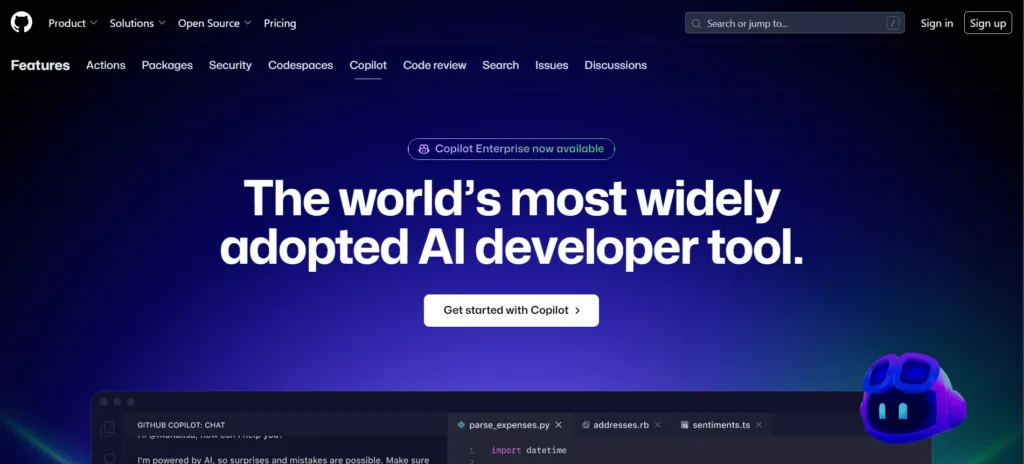
                    GitHub Copilot is a generative AI tool that can help developers write better code, faster. It uses machine learning to suggest code completions and entire lines of code as you type. GitHub Copilot is still in beta, but it has already shown promise for improving developer productivity. 

                    CodeWP

                    CodeWP

                    CodeWP is an AI-powered coding assistant that can help developers of all skill levels write better code. CodeWP provides real-time feedback on your code and can help you identify and fix errors. 

                    Tabnine

                    Tabnine

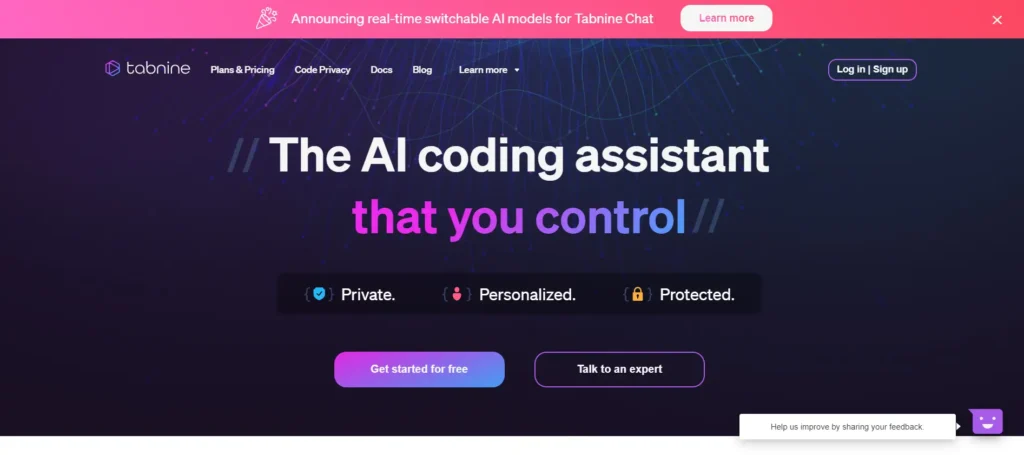
                    Tabnine is a code completion tool that uses AI to learn your coding style and suggest completions that are tailored to your specific needs. Tabnine supports a variety of programming languages, including Python, Java, and JavaScript. 

                    DeepCode

                    DeepCode

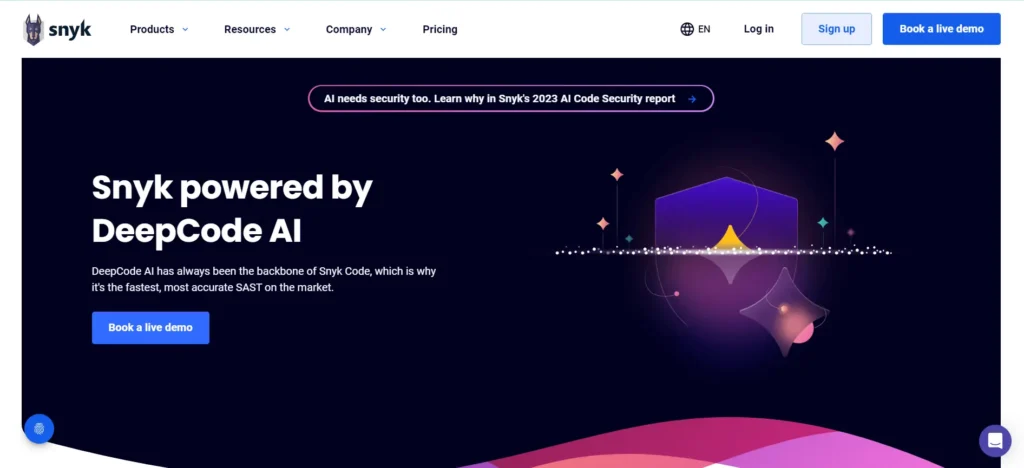
                    DeepCode is a static code analysis tool that uses AI to identify potential bugs and security vulnerabilities in your code. DeepCode can also help you improve the quality of your code by suggesting best practices and code refactoring opportunities. 

                    Kite

                    Kite

                    Kite is an AI-powered code completion tool that can help developers write code faster and more accurately. Kite provides code completions, documentation, and API references in a single, easy-to-use interface. 

                    Copilot

                    Copilot

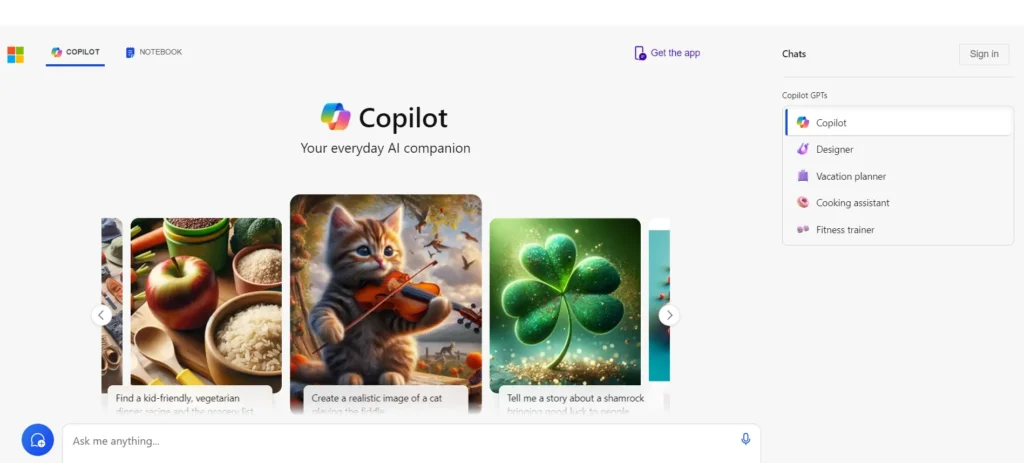
                    Copilot is an AI-powered code completion tool that can help developers write code faster and more efficiently. Copilot uses machine learning to suggest code completions that are based on the context of your code. 

                    AI Code

                    AI Code

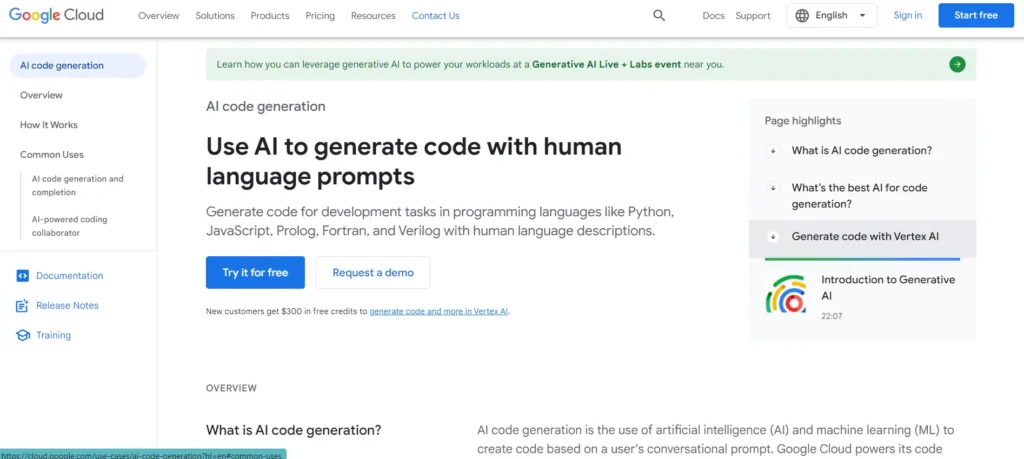
                    AI Code is a generative AI programming tool that can help developers generate code from natural language descriptions. AI Code can be used to generate code for a variety of tasks, such as creating web applications or building machine learning models. 

                    Ponicode

                    Ponicode

                    Ponicode is an AI-powered code completion tool that can help developers write code faster and more accurately. Ponicode provides code completions, documentation, and API references in a single, easy-to-use interface. 

                    Bastion

                    BastionGPT

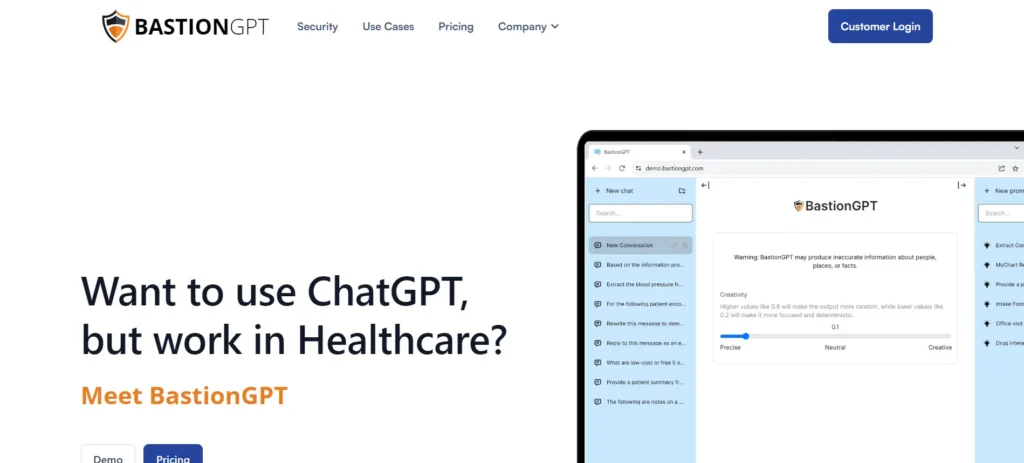
                    Bastion is a generative AI model from OpenAI that can be used to generate different creative text formats of text content, like poems, code, scripts, musical pieces, email, letters, etc. It can also answer your questions in an informative way, even if they are open ended, challenging, or strange. 

                    AlphaCode

                    AlphaCode is an AI system developed by DeepMind that can generate code to solve coding challenges. AlphaCode can be used to automate some of the more tedious aspects of coding, such as writing repetitive code or fixing bugs. 

                    CoderMind

                    CoderMind

                    CoderMind is an AI-powered coding platform that can help developers improve their coding skills. CoderMind provides a variety of coding challenges and exercises that can help developers learn new concepts and improve their problem-solving skills. 

                    How to Choose the Right Generative AI Programming Tool 

                    There are a number of generative AI programming tools available on the market today, so it can be difficult to decide which one is right for you. Here are a few factors to consider when choosing a generative AI programming tool: 

                    • The types of tasks that the tool is well-suited for: Not all generative AI programming tools are created equal. Some tools are better suited for certain tasks than others. For example, a tool like GitHub Copilot may be a good choice for developers who are looking for help with code completion, while a tool like DeepCode may be a better choice for developers who are looking for help with static code analysis. 
                    • The programming languages that the tool supports: Consider the programming languages your development team primarily uses. While some tools offer broad support, others may specialize in specific languages. Ensure the tool integrates seamlessly with your existing workflows. 
                    • The pricing of the tool: Generative AI programming tools can range in price from free and open-source to freemium models with paid tiers, or subscription-based services. Evaluate your budget and the features offered by each tool to find the best value for your needs. 
                    • The ease of use of the tool: Some generative AI programming tools have a steeper learning curve than others. Consider the technical expertise of your development team and choose a tool that is easy to learn and use. 
                    • The security and privacy of the tool: As generative AI tools often involve some level of code access, investigate the security measures in place to protect your code and intellectual property. 
                    • The level of customization offered by the tool: Some generative AI programming tools allow you to customize the way they work to fit your specific needs. This can be helpful for developers who need a tool that can be tailored to their unique coding style and workflow. 

                    By considering these factors, you can choose a generative AI programming tool that can help you and your development team improve your productivity and efficiency. 

                    Additional Resources: 

                  4. Implementing Data Security Best Practices: Safeguarding Your Assets in the Digital Age 

                    Implementing Data Security Best Practices: Safeguarding Your Assets in the Digital Age 

                    In today’s data-driven world, data security is no longer an option – it’s an absolute necessity. From enterprise behemoths to nimble startups, data breaches can have devastating consequences, costing millions in fines, damaging reputations, and eroding customer trust. Fortunately, by implementing a set of proven data security best practices, you can significantly reduce the risk of data exposure and create a culture of security within your organization. 

                    Identifying Your Crown Jewels: Classifying Sensitive Data 

                    The first step in any data security strategy is understanding what needs protecting. Not all data is created equally and identifying your most sensitive information – often referred to as “crown jewels” – is crucial. This could include: 

                    • Personal information: Customer names, addresses, social security numbers, and healthcare data all fall under this category and require robust safeguards. 
                    • Financial data: Credit card details, bank account information, and transaction records demand heightened protection due to their financial implications. 
                    • Intellectual property: Trade secrets, proprietary algorithms, and confidential business plans require stringent security measures to prevent unauthorized access or disclosure. 

                    By classifying your data based on its sensitivity level, you can prioritize data security efforts and allocate resources effectively. 

                    Building a Fortress: Implementing Essential Data Security Measures 

                    Once you’ve identified your sensitive data, it’s time to fortify your defenses. Here are some key data security best practices to consider: 

                    Access Control: 

                    • Principle of Least Privilege: Grant users only the access they need to perform their duties. Restricting access based on roles and responsibilities minimizes the attack surface. 
                    • Multi-Factor Authentication (MFA): Add an extra layer of security by requiring a second verification factor, like a code from your phone, for sensitive operations. 

                    Data Encryption: 

                    • Encrypt data at rest and in transit: This scrambles information, making it unreadable even if intercepted, protecting it from unauthorized access. 
                    • Choose the right encryption method: Different types of encryptions exist for different scenarios. Consult with security experts to select the most suitable solutions for your needs. 

                    Physical Security: 

                    • Secure your physical environment: Control access to server rooms, workstations, and mobile devices. Implement security measures like locks, cameras, and access control systems. 
                    • Regular backups and disaster recovery: Regular backups ensure data availability in case of disasters, while a robust recovery plan minimizes downtime and data loss. 

                    Ongoing Vigilance: Monitoring and Maintenance 

                    Data security is not a one-time project; it’s an ongoing process. Here’s how to maintain your defenses: 

                    • Continuous monitoring: Utilize security software and tools to detect suspicious activity and potential threats. 
                    • Regular updates and patching: Address vulnerabilities promptly by patching operating systems and applications regularly. 
                    • Security awareness training: Educate employees about cyber threats and best practices for secure data handling. 

                    Beyond the Basics: Tailoring Your Data Security Strategy 

                    While these data security best practices provide a solid foundation, tailoring your security strategy to your specific needs is crucial. Consider factors like your industry regulations, data volume, and budget when selecting tools and implementing controls. Partnering with security experts can provide valuable guidance and ensure your defenses remain robust. 

                    Investing in Data Security: A Wise Decision 

                    Implementing data security best practices might seem daunting, but the benefits far outweigh the costs. By safeguarding your sensitive information, you protect your reputation, ensure compliance with regulations, and foster trust with your stakeholders. Consider data security not just as a cost, but as an investment in your organization’s future success. 

                    Additional Resources: