


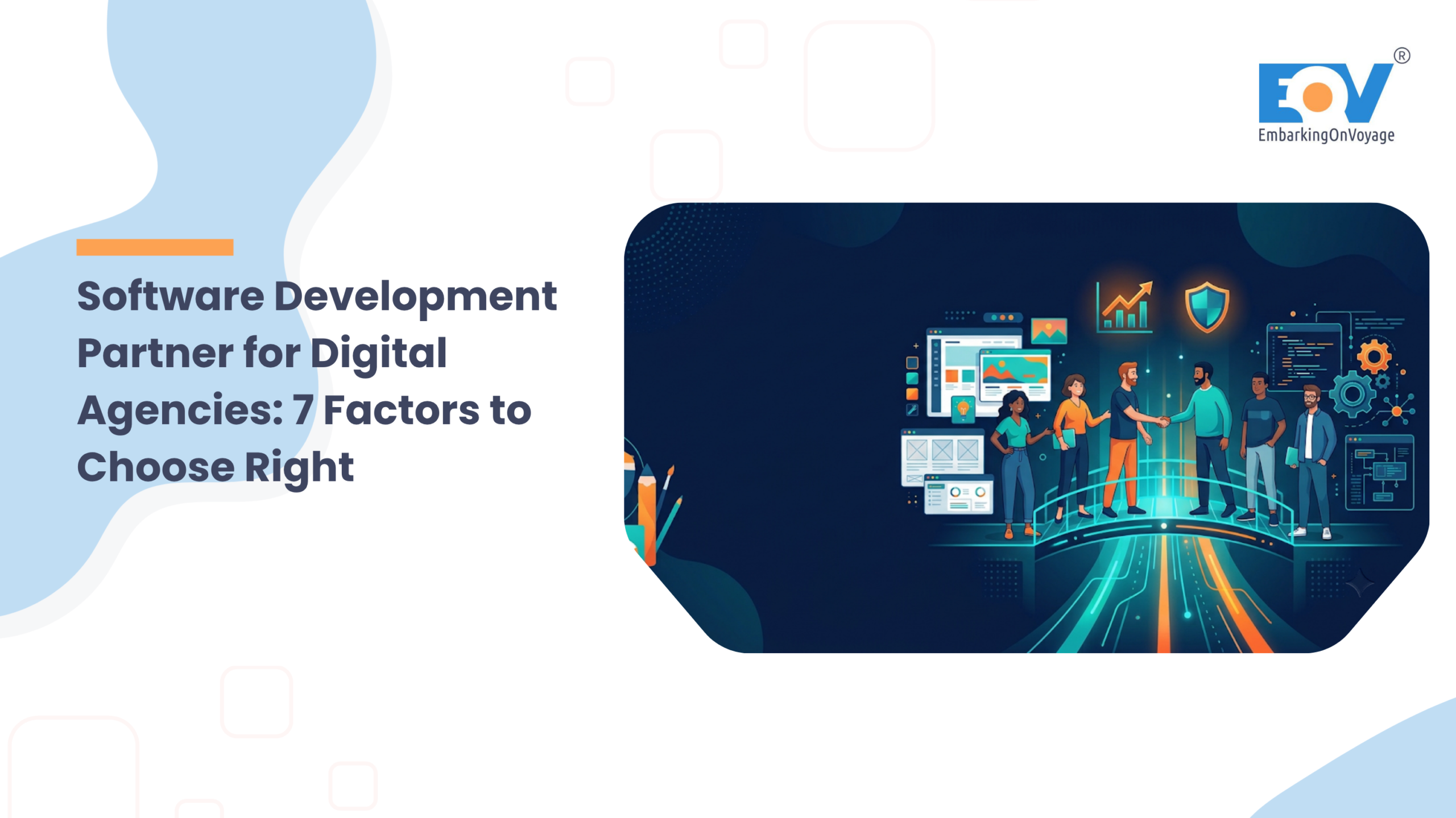
Choosing the right software development partner for digital agencies is one of the most important decisions an agency leader makes. Winning a software project is hard enough. Delivering it on time, protecting your margins and keeping your client’s trust is a different challenge altogether.
The right partner turns a new service line into steady, profitable growth. The wrong one creates missed deadlines, awkward client calls and margin-eating rework.
Hourly rates, team size and a polished portfolio will not tell you which one you are getting. You need a partner who understands your client commitments, flags risks early and turns technical work into dependable delivery. This guide walks through seven factors to evaluate, plus a ready-to-use scorecard.
In this guide:
- Start with your agency’s business model
- Evaluate engineering depth
- Test delivery reliability
- Examine the commercial model
- Protect client relationships, confidentiality and IP
- Check communication and cultural fit
- Choose a partner that can grow with you
- A practical scorecard for comparing partners
1. Start With Your Agency’s Business Model
Before you look at any vendor, define what you actually need. Different goals call for different kinds of partners:
- Temporary engineering capacity to support your in-house team
- A full development function for a specific client project
- A way to expand into custom software, mobile apps or AI-enabled products
- A partner who joins product planning as well as engineering
A company that is excellent at supplying individual developers may be a poor choice if you need a team that owns an entire delivery stream.
Write down your requirements first:
- The types of projects you expect to deliver
- Your clients’ technology and security requirements
- The level of technical leadership you need
- Expected workloads and timelines
- Your preferred communication and governance model
- The commercial limits of your client contracts
This document becomes the yardstick for every partner you compare.
Not sure which engagement style fits? See how our custom software development services map to agency needs.
2. Evaluate Engineering Depth, Not Just Technology Lists
Most development companies list the same frameworks and languages on their websites. A long technology list does not prove they can solve your problem.
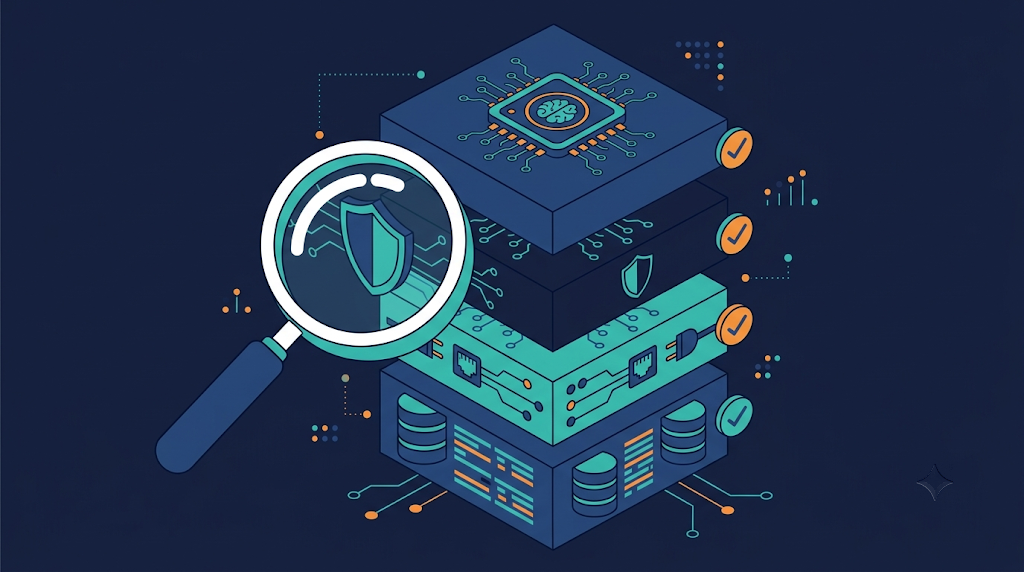
Ask for specific examples involving architecture, integrations, performance, security, testing and production releases. Find out how the team handles legacy systems, shifting requirements and technical debt.
For AI-related work, look past the demo. Ask how the team:
- Evaluates model output quality
- Protects sensitive data
- Manages retrieval quality
- Monitors usage costs
- Handles failures and edge cases
The OWASP Top 10 for Large Language Model Applications is a useful reference for the questions a serious AI engineering team should already be able to answer.
A capable partner explains trade-offs in plain language that your leadership and your clients can follow. If possible, begin with a small, bounded technical assessment or discovery phase before committing to a large project.
3. Test Delivery Reliability Before Scaling
A portfolio shows what a company has built. A delivery process shows how it will build your next project.
Ask prospective partners how they manage:
- Requirements and acceptance criteria
- Estimation and milestone planning
- Code reviews and automated testing
- Integration and release management
- Third-party dependencies
- Risks, blockers and scope changes
- Production defects and post-release support
Just as important, ask who is accountable for each decision. Teams that follow modern agile delivery practices tend to make progress visible, but the framework matters less than the habit behind it.
A reliable partner does not wait until a deadline slips to tell you. They surface risks early, explain the likely impact and offer realistic options.
During the first engagement, check three things: is progress reporting accurate, are commitments realistic, and does the team escalate problems at the right time?
4. Examine the Commercial Model Carefully
Price matters, but the structure of the deal matters just as much. The most common models are:
| Model | How it works | Best suited for | Watch out for |
|---|---|---|---|
| Time and materials | You pay for time spent at agreed rates | Evolving or uncertain requirements | Needs active scope and burn-rate tracking |
| Fixed price | One price for a defined scope | Well-understood projects | Needs clear assumptions, acceptance criteria and a change process |
| Dedicated engineering team | A team works on your ongoing development stream | Long-term, continuous work | Costs tied to team capacity, even in slow weeks |
| Milestone or outcome-based | Payments linked to deliverables or results | Projects with measurable goals | Needs agreement on dependencies and factors outside the partner’s control |
No single model wins every time. What matters is alignment between the commercial structure, the level of uncertainty, your client contract and the partner’s responsibilities.
If your client has a fixed delivery date, ask how the partner handles delays, rework, changes and dependencies. Do not assume a fixed price automatically transfers all delivery risk to the vendor. It rarely does.
5. Protect Client Relationships, Confidentiality and IP
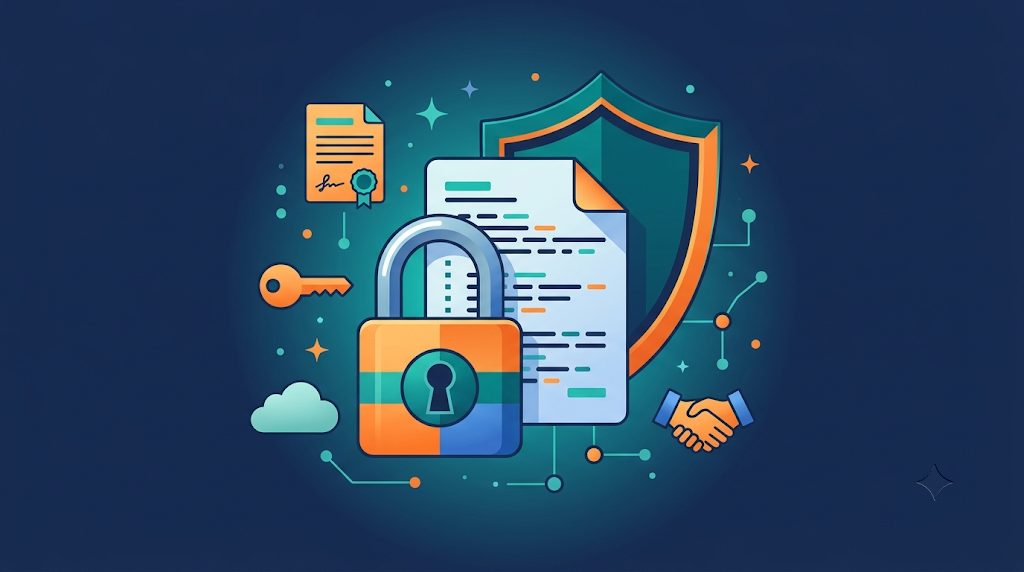
Agencies hold sensitive client data, commercial plans, credentials and product roadmaps. Your software development partner must operate inside that circle of trust.
Review these items before work begins:
- Non-disclosure and confidentiality obligations
- Data access, storage and retention practices
- Security controls and incident escalation
- Rules for using client information with AI tools
- Ownership of source code, documentation and project-specific IP
- Open-source and third-party licensing obligations
- Subcontracting, access termination and handover procedures
Your contract should state clearly who owns each deliverable and when ownership transfers. If you work with regulated data or clients with compliance needs, verify the controls yourself. Recognised frameworks such as ISO/IEC 27001 and the NIST Secure Software Development Framework give you concrete things to ask about instead of relying on general assurances.
Security and IP are not paperwork to tidy up after delivery. They are part of the selection decision.
6. Look for Communication and Cultural Compatibility
A technically strong team can still cause friction if it communicates badly.
Pay attention to how a prospective partner answers questions, handles disagreement and explains complex issues. Ask:
- Who will be my day-to-day point of contact?
- Who leads engineering decisions?
- How fast does the team escalate a critical blocker?
If you are a US or European agency working with an offshore team, agree on overlapping working hours, documentation standards, meeting rhythm and response times up front.
Distance is manageable when responsibilities are explicit and communication is dependable. It becomes a problem when you are chasing updates or rewriting vague status reports into client-ready commitments.
7. Choose a Partner That Can Grow With You
The right partner for a small integration may not be right for a multi-year product roadmap. Check whether the team can support new modules, new technologies, architecture changes and rising complexity.
Equally important, check whether the commercial arrangement can handle quieter periods and a changing project mix. Ask directly:
- What happens if we win three projects at once?
- What happens if a client pauses a project unexpectedly?
A healthy partnership has a realistic plan for scaling, continuity, knowledge transfer and disengagement. It should never rest on vague promises of unlimited capacity.
Planning to add AI features to client work? Explore our AI engineering and product development approach.
A Practical Scorecard for Comparing Software Development Partners
A simple scorecard keeps the selection process objective. Rate each criterion from 1 to 5, then apply weights based on your agency’s priorities.
| Criterion | Suggested weight |
|---|---|
| Relevant engineering expertise | 20% |
| Delivery process and accountability | 20% |
| Communication and transparency | 15% |
| Security, confidentiality and IP | 15% |
| Commercial alignment | 15% |
| Scalability and team continuity | 10% |
| Relevant references or case studies | 5% |
How to use it: multiply each 1 to 5 rating by its weight, add the results, and compare totals across your shortlist. Treat the final number as a conversation starter, not a verdict. It does not replace reference checks, a technical assessment or a careful contract review.
Red Flags to Watch For
- Vague answers about who owns the code or when ownership transfers
- No clear process for estimates, change requests or escalation
- Promises of “unlimited” capacity or guaranteed zero risk
- Reluctance to start with a small paid pilot or discovery phase
- Status reports that are always green until the deadline is missed
Why Agencies Choose EmbarkingOnVoyage (EOV Digital)
A good development partner does more than accept tickets and report hours. The relationship should help your agency make sound technical decisions, honour client commitments and ship products with confidence.
At EmbarkingOnVoyage (EOV Digital), we work as a product co-development partner. Our AI-native engineering pods work alongside your business and product teams, supporting engineering from roadmap planning through production. Where it fits, engagements can use agreed deliverables and outcome-oriented commercial structures.
The aim is not simply to add headcount. It is to strengthen your agency’s ability to deliver valuable software while keeping visibility, quality and commercial discipline intact.
Ready to talk through your next client project? Book a discovery call with our team.
Frequently Asked Questions
What should a digital agency look for in a software development partner?
Look for proven engineering depth, a transparent delivery process, security and IP safeguards, clear communication and a commercial model that fits your client contracts. Start with your own requirements, then compare partners with a weighted scorecard.
Is fixed-price or time-and-materials better for agency projects?
Neither is best in every case. Fixed price suits well-defined scope with clear acceptance criteria. Time and materials suits evolving requirements. Many agencies also use dedicated teams or milestone-based models. Choose the one that matches your level of uncertainty and your client contract.
How do I protect client data when working with an offshore development partner?
Put NDAs and data-handling rules in writing, limit access to what is needed, define incident escalation, set rules for using client data in AI tools, and confirm IP ownership and handover terms before work starts.
How can I test a software development partner before a large commitment?
Start with a bounded technical assessment, discovery phase or small pilot project. Judge them on reporting accuracy, realistic commitments and how early they raise risks.
How many software development partners should I shortlist?
Three to five is practical. It gives you enough comparison without overloading your team. Score each one against the same criteria and check references before deciding.
Conclusion
The best software development partner for digital agencies is not necessarily the cheapest or the biggest. It is the team whose technical capability, working model and accountability fit the business you are building.
Begin with your delivery requirements, evaluate the evidence, run a small pilot and use a scorecard to keep emotion out of the decision. Do that, and your next partnership becomes a growth engine instead of a risk.
Looking for a software development partner your agency can rely on? Talk to EOV Digital and let’s plan your next delivery together.
Leave a Reply