

Author: Sarfaraz Khan

  • Unleashing the Potential of Next.js in Modern Web Development

    Next.js is a latest and popular React framework for building full-stack web applications. You use React Components to build user interfaces, and Next.js for additional features and optimizations. Next.js also abstract and automatically configures tooling needed for React, like bundling, compiling, and more. This allows you to focus on building your application instead of spending time with configuration.

    Whether you’re an individual developer or part of a larger team, Next.js can help you build interactive, dynamic, and fast React applications.

    What are the problems that Next.js addresses compared to React?

    Server-Side Rendering(SSR):

    Problem: React actually renders the components on the client side which means it shows first empty HTML then content in it gets populated dynamically through JavaScript which results in a poor SEO.

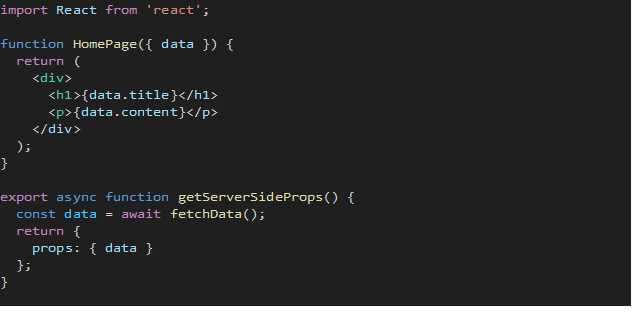
    Solution: Next provide you a default feature which is SSR, it gives you a method ‘getServerSideProps’

    Or ’getInitialProps’ through which you can fetch data on the server before rendering the page. At the end server send fully rendered HTML to the client enhancing the SEO.
    Static Site Generation (SSG):

    Problem: In React it becomes quite complex and time consuming when building static pages which requires server-side rendering or manual pre-rendering.

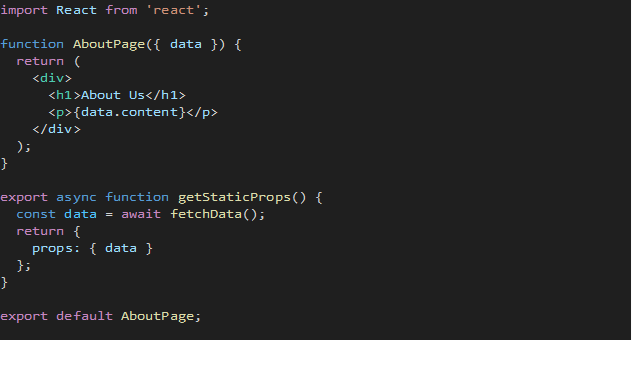
    Solution: Next provide you a default method called ‘getStaticProps’, using this developers can pre-render the pages at build time, reducing server load and improving performance.
    Automatic Code Splitting:

    Problem: In React it becomes quite challenge when managing the code splitting.

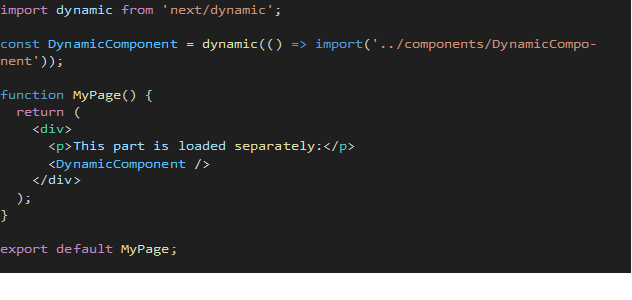
    Solution: Next offers you the automatic code splitting feature.
    Internationalization(i18n):

    Problem: implementing internationalization in react is complex sometimes required third party package like react-i18next.

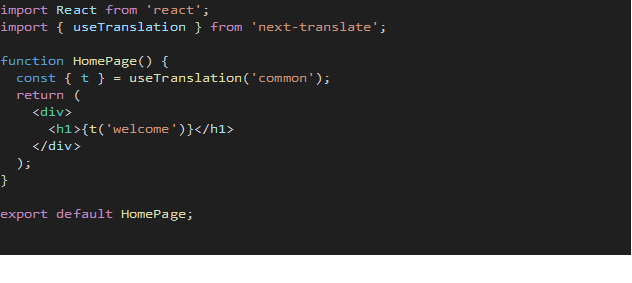
    Solution: Next comes with the built in support for internationalization using libraries like ‘next-translate’
    Custom Error Handling:

    Problem: React may display generic error messages for different HTTP status codes.

    Solution: Next.js allows you to define custom error pages for specific status codes.
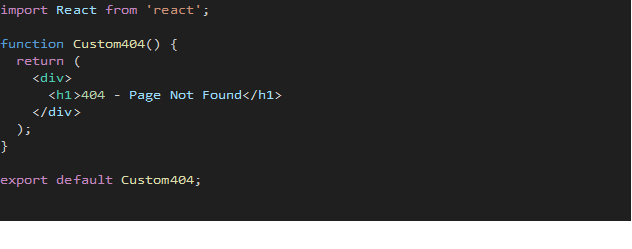
    What are the use cases of Next.js?

    Static websites: Next.js can be used to build websites that don’t change often, such as blogs and marketing sites. This is because Next.js can generate static pages ahead of time, which makes them load faster for users.

    Dynamic web applications: Next.js can also be used to build dynamic web applications, which are websites that change frequently. This is because Next.js supports server-side rendering, which means that the pages are rendered on the server before being sent to the user. This can improve the performance of dynamic web applications.

    Ecommerce sites: Next.js is a good choice for ecommerce sites because it has SEO capabilities and performance improvements. SEO stands for search engine optimization, and it’s important for ecommerce sites to be optimized for search engines so that they can be found by potential customers. Next.js’s performance improvements can also help ecommerce sites load faster, which is important for a good user experience.

    Single page applications (SPAs): Next.js can also be used to build SPAs, which are websites that only load a single page. This can be useful for websites that are interactive and require a lot of JavaScript. Next.js can combine the benefits of SPAs with server rendering for the initial load, which can improve the performance of SPAs.

    Conclusion

    Next.js is a React framework that offers advantages over plain React, including server-side rendering (SSR), static site generation (SSG), automatic code splitting, SEO-friendliness, and built-in features for routing, CSS, and API handling. It’s suitable for a wide range of applications, from static websites to dynamic web apps, eCommerce sites, content management systems, and more. Next.js simplifies development tasks, improves performance, and enhances SEO, making it a valuable tool in the React ecosystem. For any kind of web or mobile app development queries or needs, feel free to contact us today!
  • Introduction to Next.js

    What is Next.js? 

    Next.js is a latest and popular React framework for building full-stack web applications. You use React Components to build user interfaces, and Next.js for additional features and optimizations. Next.js also abstract and automatically configures tooling needed for React, like bundling, compiling, and more. This allows you to focus on building your application instead of spending time with configuration.     

    Whether you’re an individual developer or part of a larger team, Next.js can help you build interactive, dynamic, and fast React applications. 

    What are the benefits of using Next.js over React?  

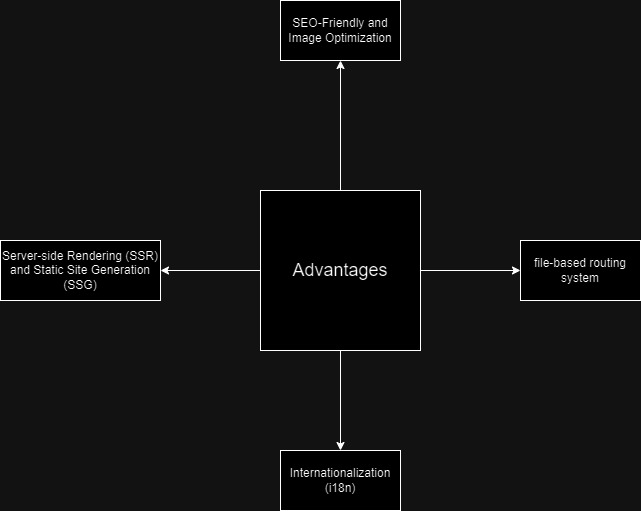
    Faster Initial Page Loads: Next.js supports server-side rendering (SSR), which means that the initial HTML of your pages is rendered on the server before being sent to the client. This can significantly improve the performance of your pages, especially for SEO and for users with slow internet connections.

    Static site generation: Next.js also supports static site generation (SSG), which means that you can pre-render your pages at build time. This can further improve the performance of your pages, as the client will not have to wait for the pages to be rendered on the server. 

    Improved SEO: Because Next.js supports SSR and SSG, search engines can easily crawl and index your content, leading to better search engine rankings compared to client-side-rendered applications. SSR also makes your pages more SEO-friendly, as search engines can index the rendered HTML. This can help your pages rank higher in search results. 

    Built-in routing: Next.js comes with a file-based routing system, which makes it easy to create complex and dynamic routes without the need for additional routing libraries. In React, you’d typically need a separate routing library like React Router. 

    Automatic Code Splitting: Next.js automatically splits your JavaScript code into smaller chunks that are loaded only when needed. This reduces the initial load time and helps improve performance.  

    API Routes: You can create API endpoints directly within your Next.js application using the /pages/api directory, simplifying serverless API development. 

    Hot Module Replacement (HMR): Next.js supports HMR, which allows you to see changes in your code without a full-page refresh during development. 

    Internationalization (i18n): Next.js offers built-in support for internationalization, making it easier to create multilingual websites. 

    Image Optimization: It includes automatic image optimization, where images are optimized and served in various formats (e.g., WebP) for better performance. 

    What are the additional Key Features of Next.js?  

    Hot Module Replacement (HMR): Next.js supports HMR, allowing for instant code changes during development without a full-page refresh. This speeds up the development process and enhances the developer experience.

    Production-Ready Optimizations: Next.js includes built-in optimizations for production deployments, such as automatic code splitting, asset optimization, and serverless deployments. This ensures that your application is production-ready with minimal effort. 

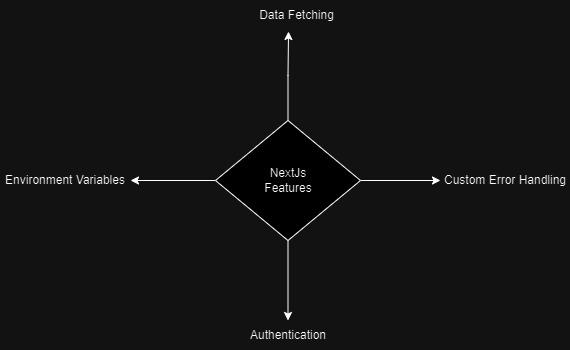
    Data Fetching: Next.js provides multiple methods for data fetching, including getServerSideProps, getStaticProps, and getInitialProps, making it easy to fetch data on both the server and the client side. 

    Internationalization: Next.js offers built-in support for internationalization, making it easier to create multilingual applications. 

    Environment Variables: You can use environment variables in Next.js to manage configuration options securely and efficiently. 

    CSS Support: Next.js allows you to use various CSS solutions, including CSS Modules, styled-components, and more. It also offers automatic CSS code splitting. 

    Middleware Support: You can use middleware functions to customize the behavior of the server, making it versatile for handling various scenarios and authentication. 

    Error Handling: Next.js provides robust error handling capabilities, including custom error pages and error boundary components to gracefully handle errors in your application. 

    Community and Ecosystem: Next.js has a thriving community, a rich ecosystem of plugins and extensions, and is backed by Vercel, a cloud platform for deploying Next.js applications, which simplifies deployment and scaling. 

    Automatic Static Optimization: Next.js automatically optimizes the delivery of static assets like images, fonts, and JavaScript files to improve performance. 

    Conclusion 

    Next.js is a React framework that offers advantages over plain React, including server-side rendering (SSR), static site generation (SSG), automatic code splitting, SEO-friendliness, and built-in features for routing, CSS, and API handling. It’s suitable for a wide range of applications, from static websites to dynamic web apps, eCommerce sites, content management systems, and more. Next.js simplifies development tasks, improves performance, and enhances SEO, making it a valuable tool in the React ecosystem. 

    In our subsequent blogs, we will cover more on how we have sought help of Next.js to deliver software products to our clients. If you are looking for app development partners, feel free to contact our team now!

  • Elevating Business Operations: The Cloud Migration Revolution 

    The year 2022 has seen a major shift in the way businesses operate, with an increasing number of organizations moving to the cloud. The cloud transforms the way that an organization operates its business. Moving operations to the cloud allow businesses to focus on their core competencies while leaving digital infrastructure in the hands of experts. The advantages are far-reaching and include improved security, increased access to data and analytics capabilities, as well as improved customer service and support. Cloud migration is an essential step toward elevating business operations in today’s competitive marketplace. 90% of companies are on the cloud. The global cloud computing market is expected to reach $623.3 billion by 2023. 

    Today in this blog we will see how the cloud offers numerous benefits that help businesses to stay competitive in today’s fast-paced business environment. 

    Cost Savings:

    Cloud computing eliminates the need for businesses to invest in expensive hardware and software systems. Instead, organizations can rent cloud services on a pay-per-use basis, reducing upfront costs and freeing up funds for other investments. The cost-benefit of cloud computing was endless. The organization can take advantage by reducing overhead costs and improving the agility the cloud provides to increase efficiency, and productivity and cloud migration can allow you to free up space and allow you to innovate and grow. 

    Scalability:

    The cloud makes it easy for businesses to quickly and easily scale their IT resources as needed. This allows organizations to respond quickly to changing business demands and to handle spikes in demand without having to invest in additional hardware. It also helps an organization to scale up or down resources like computing power, storage capacity, and bandwidth, as their needs change. This makes it easier for companies to respond to changing business conditions and customer needs. 

    Improved Security:

    Cloud service providers invest heavily in securing their data centers, offering businesses a high level of protection against cyber threats. Furthermore, with the cloud, businesses can easily implement disaster recovery and business continuity plans to ensure their data remains safe in the event of an outage. Many cloud service providers offer robust security features and tools, such as encryption, access controls, and security audits, which can help organizations to protect their sensitive data and maintain compliance with industry regulations. 

    Enhanced Collaboration:

    With cloud-based tools, teams can easily collaborate and share information in real-time after where they are located. This helps to improve communication and productivity within organizations, leading to increased efficiency and better results. The cloud promises to make businesses more agile by not just committing to responsiveness, but also by developing value and sensible solutions to meet current business demands.  

    Increased Mobility:

    The cloud enables employees to access critical data and applications from anywhere, using any device, which allows them to be more productive and responsive, even when they are on the go. The organization can also use cloud services to stay competitive and improve its decision-making capabilities. Workload reduction enables teams to concentrate on other critical business requirements. Cloud migration services also enable an organization to deploy apps quickly. 

    Disaster recovery:

    Cloud services provide organizations with reliable disaster recovery solutions, which can help them quickly recover from system failures and ensure the availability of their critical systems and data. Good cloud providers have options for blocking undesired traffic, protecting data from vulnerable attacks, password protection, and so on. 

    Conclusion: 

    The cloud is transforming the way businesses operate, providing organizations with the tools and resources they need to stay competitive and grow. With the continued growth and advancement of cloud technology, it is likely that even more businesses will make the switch in the coming years. It is also very important to carefully plan and execute a cloud migration strategy to avoid potential challenges and ensure a smooth transition.  Cloud migration is a valuable investment for organizations that are looking to transform their operations and drive digital innovation. By leveraging the benefits of cloud computing, companies can support their long-term growth and success and compete effectively in a rapidly evolving digital landscape. 

    EOV is a leading company in the cloud revolution, providing cutting-edge cloud services to businesses. Our team of experts has extensive experience in cloud migration, as we understand the unique challenges and opportunities that come with this transition.  Whether you are looking to reduce cost, increase efficiency or drive innovation, EOV is your partner for a successful cloud migration journey. 

  • Leveraging React to Create Tweets

    React is an open-source JavaScript library that is known for creating great user interfaces. It also simplifies the development of visual interfaces. With React you can create complex UIs from all the small code pieces called components. As compared to the other technologies, React is still considered a new technology in the market. Facebook’s newsfeed was the first test case of React in 2011. The library was created by Jordan Walke, a software engineer at Facebook.

    In this blog, a Twitter tweets project will be created by using React that will display the tweets. So, before starting the process let’s understand React Hooks and its use in creating Twitter tweets.

    What are React Hooks?

    React Hooks are the new features introduced in React. A hook is a React function that allows you to use state and React features from function-based components. There are multiple hooks but only five hooks are frequently used in React. Let’s check out the five major hooks:

    ⦁useState: Manages and stores the data within the individual components.

    ⦁useEffect: Perform the actions like working with a browser or HTTP request.

    ⦁useRefs: Refers the JSX elements.

    ⦁useContext: Accesses the data from React context and shares this data with the rest of the component. Instead of passing props that create a problem like prop-drilling.

    ⦁useReducer: Manages and stores the data among multiple components.

    Why choose React Hooks?

    Through React hooks you don’t have to refactor functional components into class components when it grows. You also don’t have to worry about the “this” keyword. There aren’t any method bindings and you can share the stateful logic between your components as well.

    Benefits of React Hooks:

    It promotes the re-usability of state full logic and provides flexibility in extracting and testing as well. It is a concise code that is easier to maintain and highly readable. You can work easily with hooks and it will make your code look clean.

    Twitter Tweets with React:

    Now, let’s create twitter tweets with the help pf React. It contains two sctions that are back-end developed by Node.js and front end developed by React.

    · Back-end(nodejs) – Since the agenda isn’t creating the back end using Node.js, you can check out the process here. (https://github.com/sarfaraz-1786/twitter-server).

    · Now, the server will provide data to the front-end. Check the code mentioned below:

    For the front-end, build this by following the steps mentioned below:

    1. Create a React application either with yarn or npm.
    Yarn: It creates react-app Twitter tweets.
    Npm: It also creates react-app Twitter tweets.

    2. Create a component that consumes API provided by the above server. In this step, three React hooks are used that are useEffect, createContext, useState.

    The useEffect hooks are used to consume our API which is http://127.0.0.1:8080/tweets?twitter_user_name=${name}&count=20.

    Create context used to centralize & access the data which is coming from the use effect. Store the data with useState into items1 and items2 that act as container lists and share this with all the other components.

    3. Now, to access the data shared with all components, use useContext to consume the data. Extract items1 and items2 from TwitterContext and used the “map” method to render the data into the JSX.

    After following all the steps mentioned above, the Twitter tweets are finally created using React. Do carry out this procedure and create your amazing Twitter tweets in no time.

    Do share the experience in the comments box. Also, for more information on React or any of its associated stacks, please write us at info@embarkingonvoyage.com