
Author: Abhishek Nag

  • The Future of Enterprise Software is AI-Native: Why UK & European Leaders Must Adapt

    The Future of Enterprise Software is AI-Native: Why UK & European Leaders Must Adapt

    Over the last few years, enterprise technology conversations have shifted dramatically. Not long ago, boardroom discussions across London, Berlin, Amsterdam, and Stockholm were dominated by cloud migration, platform modernization, and DevOps maturity. Today, almost every serious technology conversation inevitably zeroes in on one subject: AI.

    But we aren’t just talking about AI as a flashy feature or a chatbot bolted onto a legacy system. We are talking about AI becoming the foundational operational DNA of enterprise software itself.

    Across the UK and Europe, enterprises are realizing that traditional software architectures are struggling to keep pace with the intelligence and adaptability modern businesses require. Static workflows and siloed systems are becoming bottlenecks. That is exactly where AI-native digital product engineering enters the picture.

    Here is why this architectural shift is defining the future of enterprise software, and why choosing the right engineering partner is critical for your transformation.


    Moving Beyond Static Workflows

    Traditional enterprise systems were built for predictability. Workflows, business rules, and integrations were defined upfront by developers and remained static until manually updated. But modern enterprises no longer operate in a predictable world.

    Customer expectations shift rapidly. Supply chains experience real-time disruptions. Market conditions in the EU and UK evolve continuously. Business teams now demand faster decisions and intelligent workflows from their technology organizations.

    AI-native systems are fundamentally different because intelligence is embedded directly into the platform’s architecture. They continuously analyze signals, orchestrate workflows, and dynamically improve operational efficiency.

    This evolution changes software from being a system of execution into a system of operational intelligence. For CIOs and CTOs, understanding this distinction is the key to future-proofing your tech stack.

    Why “Adding AI” Is Not Enough

    One of the most common mistakes enterprises make is treating AI like just another software module. A predictive dashboard here, an AI assistant there. While these initiatives might offer short-term visibility, they rarely deliver meaningful operational transformation.

    Real AI-native product engineering requires a profound architectural shift. It fundamentally changes:

    • How enterprise systems are designed
    • How complex workflows operate
    • How business decisions are orchestrated
    • How engineering teams think about software development

    In practical terms, AI-native platforms do more than just automate tasks. They identify inefficiencies, optimize customer interactions, reduce manual interventions, and allow your enterprise to adapt as market conditions change.

    Agentic AI and the Necessity of “Human-in-the-Loop”

    We are currently witnessing the rise of Agentic AI; a vital architectural evolution beneath the industry hype. Unlike traditional automation that follows rigid instructions, Agentic AI can reason across workflows, maintain context, interact with multiple systems, and orchestrate multi-step operations.

    For example:

    • In Fintech (London/Frankfurt): AI agents assess operational risk and assist underwriting teams in real-time.
    • In Retail (Nordics/Benelux): Intelligent agents simultaneously monitor inventory, pricing fluctuations, and customer demand.

    However, despite the excitement around autonomous AI, the reality of enterprise software dictates that Human-in-the-Loop engineering is becoming more important, not less.

    AI is exceptional at accelerating analysis and summarizing data, but enterprise systems involve complex business trade-offs, compliance considerations (like GDPR in the EU), delivery risk, and customer impact. AI can support these decisions, but experienced engineers, architects, and delivery leaders must evaluate the deployment impact and ensure governance.

    The Evolution of Full-Stack Engineering

    The rapid innovation curve driven by platforms like OpenAI means that what once required dedicated research teams and years of prototyping can now be validated in weeks. But this speed creates a new challenge: Governance.

    Integrating AI into real operational environments where it must interact with legacy applications, sensitive customer data, and compliance-heavy workflows is deeply complex.

    Because of this, the role of the engineering team has evolved. Modern full-stack product engineering teams must now understand:

    • Intelligent AI orchestration
    • Enterprise operations and data intelligence
    • Customer behavior analytics
    • Advanced automation strategy

    The strongest engineering organizations no longer act like simple delivery factories; they operate as strategic product engineering partners.


    Why the Enterprise Delivery Model is Changing (And How EOV Can Help)

    For enterprises in the UK and Europe, the traditional outsourcing model focused purely on implementation and cost optimization is no longer sufficient. Today, organizations require partners who contribute to AI innovation, product thinking, operational scalability, and intelligent automation.

    The mandate has shifted from “build software for us” to “help us build intelligent digital businesses.”

    This is where EOV steps in. As a premier partner for AI-native digital product engineering, EOV helps enterprises across the UK, Germany, the Netherlands, Belgium, and the Nordics navigate this complex transition.

    Why Partner with EOV?

    • Strategic AI Integration: We don’t just bolt on AI; we build intelligent, adaptable architectures that serve as the operational backbone of your business.
    • Human-in-the-Loop Governance: We prioritize security, GDPR compliance, and operational risk management, ensuring your AI systems are safe, reliable, and governed.
    • Full-Stack Excellence: Our teams bring deep expertise in both cutting-edge AI orchestration and robust enterprise software engineering.
    • Accelerated Delivery: We turn multi-year innovation roadmaps into rapid validation cycles, delivering measurable operational outcomes faster.

    Technology alone is never the differentiator in enterprise environments—execution is. The organizations that lead the next decade will be those capable of engineering intelligent systems without losing operational control or business alignment.

    Ready to transform your legacy systems into intelligent, AI-native platforms? Connect with EOV today (info@embarkingonvoyage.com) to discover how our strategic product engineering can accelerate your digital future across the UK and European markets.

    External Read: https://www.nagarro.com/en/blog/ai-first-the-next-operating-model-for-enterprise-ai-strategy

    Latest Blog Highlight: https://embarkingonvoyage.com/blogs/clean-architecture-in-blazor-how-to-keep-your-code-scalable-and-maintainable/

  • How AI Reasoning Systems Are Redefining .NET Development (And What Developers Must Do Next)

    How AI Reasoning Systems Are Redefining .NET Development (And What Developers Must Do Next)

    AI reasoning systems are redefining .NET development. The .NET ecosystem has never stood still, and from the early days of the monolithic .NET Framework to modern, cross-platform development with ASP.NET Core, it has continuously evolved to meet the needs of scalable, enterprise-grade software.

    But what we’re witnessing right now is not just another phase of evolution. It’s a fundamental shift in how software is conceptualized, designed, and delivered.

    The emergence of advanced AI reasoning systems is radically reshaping the software development lifecycle. These systems go far beyond simple autocomplete, Copilot suggestions, and boilerplate generation. Today’s AI models can interpret business intent, reason through complex architectural trade-offs, and assist in structuring entire distributed systems.

    The Bottom Line: This is not about writing code faster. It’s about building software differently.


    The Evolution: From Code Craftsmanship to Architectural Orchestration

    Traditionally, .NET development has been treated as a hands-on craft. The balance of a developer’s day was heavily skewed toward syntax and execution.

    That balance is now changing. With AI-assisted tools integrating directly into IDEs like Visual Studio and Rider, a significant portion of the execution layer is being automated. The real disruption, however, isn’t happening at the coding level—it’s happening at the reasoning level.

    Traditional .NET CraftsmanshipAI-Augmented Orchestration
    Read and interpret manual requirements.Input structured intent and business rules.
    Design architecture from scratch.Evaluate AI-suggested architectural patterns.
    Manually write thousands of lines of C#.Guide AI to generate, refactor, and optimize code.
    Write unit and integration tests post-development.Auto-generate comprehensive test suites instantly.
    Manually configure CI/CD and deployment scripts.Validate AI-generated infrastructure-as-code (IaC).

    A Real-World Scenario: Modernizing a Legacy .NET Application

    Imagine an enterprise running a legacy monolithic .NET Framework application. The system works, but it struggles with modern scalability demands, performance bottlenecks, and technical debt.

    Here is how the modernization process shifts when AI reasoning systems are introduced:

    The Traditional Approach

    • Weeks of Discovery: Manually tracing dependencies and documenting legacy spaghetti code.
    • Architecture Workshops: Lengthy meetings to decide between microservices, serverless, or a modular monolith.
    • Multiple Dev Cycles: Months spent carefully rewriting business logic in modern C#.

    The AI-Augmented Approach

    • Structured Intent Input: Feeding the legacy codebase into an AI system alongside modern scaling requirements.
    • Architecture Suggestions: AI instantly maps dependencies and suggests optimal modernization paths (e.g., extracting specific modules to Azure Functions).
    • Risk Identification: Proactive highlighting of breaking changes, security flaws, or performance regressions.
    • Test Generation: Automatic creation of baseline tests to ensure parity between the legacy and modernized systems.

    The Result: Faster clarity, significantly reduced rework, and a safer migration path.


    How This Changes the .NET Development Methodology

    As AI reasoning takes on the heavy lifting of code generation, the day-to-day methodology of a .NET developer shifts dramatically:

    1. Requirements Become Structured: Vague user stories are replaced by structured prompts and clear constraints that an AI can interpret.
    2. Architecture Becomes Evaluation-Driven: Instead of designing the one “perfect” architecture, developers will evaluate multiple AI-generated architectures and choose the best fit based on trade-offs.
    3. Coding Becomes Less Central: Writing C# syntax becomes secondary to reviewing, guiding, and orchestrating code blocks.
    4. Testing Becomes Integrated (and Immediate): Test-Driven Development (TDD) evolves as AI instantly generates tests alongside the functional code.
    5. Cloud-Native Thinking Becomes Mandatory: With AI seamlessly writing boilerplate for cloud deployment, developers must instinctively understand distributed cloud environments.

    The 5 Essential Skills .NET Developers Must Build Next

    To thrive in an AI-augmented ecosystem, .NET developers must pivot their skill sets from syntax memorization to higher-order problem-solving.

    • System Design Thinking: Understanding how disparate services, databases, and APIs communicate at scale.
    • Deep Cloud (Azure) Understanding: Moving beyond basic hosting to mastering cloud-native architectures, containerization (Docker/Kubernetes), and serverless environments.
    • Performance Engineering: Knowing how to profile, benchmark, and optimize code that an AI generated to ensure it meets enterprise standards.
    • AI Collaboration Skills: Mastering the art of “prompt engineering” for code—learning how to effectively communicate intent, constraints, and context to AI models.
    • Domain Expertise: Understanding the specific business logic of your industry (finance, healthcare, retail) better than any generalized AI model ever could.

    Final Thoughts

    This shift toward AI reasoning systems is not about replacing developers. It’s about elevating them.

    By removing the friction of boilerplate and syntax, AI allows developers to focus on what actually matters: solving complex business problems, ensuring security, and designing resilient systems.

    The most valuable .NET developers of the future will not be those who write the most code—but those who make the best decisions.

    Latest Blog : https://embarkingonvoyage.com/blog/dedicated-development-teams/

    External Read : https://dev.to/victormai/rethinking-developer-responsibility-in-ai-assisted-net-applications-4pdj

  • Agentic AI: Transforming Travel, FinTech, Retail & Healthcare

    Agentic AI: Transforming Travel, FinTech, Retail & Healthcare

    This blog explores how Agentic AI is being adopted across five critical industries like Travel, FinTech, Retail & Healthcare Travel, Hospitality, FinTech, Retail, and Healthcare highlighting real-world goals, outcomes, and why this shift represents a fundamental change in how modern digital platforms are built. 

    Digital transformation over the last decade has largely been about automation faster systems, cleaner integrations, and smarter analytics. But automation alone is no longer enough. Industries today operate in environments that are highly dynamic, interconnected, and expectation-driven. What’s emerging now is a new intelligence layer: Agentic AI. 

    Agentic AI doesn’t just respond to commands. It acts with intent. It understands goals, reasons across systems, adapts in real time, and executes multi-step actions with minimal human intervention. Whether it’s rebooking a disrupted flight, resolving a hotel guest issue, detecting financial fraud, optimizing retail fulfillment, or coordinating patient care agentic AI introduces decision-making autonomy into digital systems. 

    What Is Agentic AI (and Why It’s Different)? 

    Most AI systems today are reactive. They analyze data, make predictions, give recommendations, or answer questions but only when someone asks. Agentic AI works differently. It’s proactive. Instead of waiting for instructions, it takes initiative and moves things forward on its own.

    • Understand high-level goals (e.g., “ensure passenger reaches destination with minimal disruption”) 
    • Break those goals into tasks and sub-tasks 
    • Interact with multiple systems via APIs 
    • Make decisions based on constraints and outcomes 
    • Learn from feedback and improve future actions 

    In essence, agentic AI behaves more like a digital operator than a traditional algorithm. 

    Travel: Agentic AI as the Brain of Modern Travel Platforms 

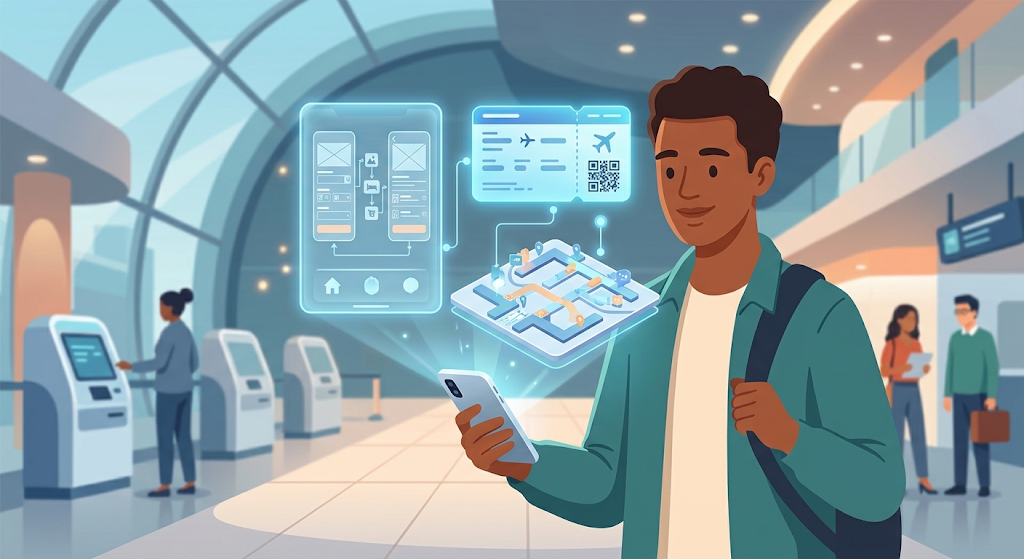
    Travel is one of the most complex digital ecosystems in existence. Airlines, hotels, OTAs, payment systems, insurers, airports, and ground transport all operate on separate platforms yet the travel expects a single, seamless experience

    Where Agentic AI Fits in Travel 

    1. Intelligent Airline & Travel Fulfillment 

    In modern travel platforms and airline fulfillment ecosystems, agentic AI can: 

    • Monitor bookings, ticketing, ancillaries, and payments 
    • Detect disruptions (weather, aircraft change, crew issues) 
    • Automatically rebook passengers across airlines or routes 
    • Coordinate refunds, exchanges, or vouchers 
    • Notify travelers proactively 

    Outcome: 

    • Faster disruption recovery 
    • Reduced call center dependency 
    • Higher traveler satisfaction 

    2. End-to-End Travel Orchestration 

    An agent doesn’t see flights in isolation. It understands the journey: 

    • Adjusts hotel check-in times if flights are delayed 
    • Rebooks airport transfers automatically 
    • Reschedules activities or experiences 

    Outcome: 

    • Truly connected travel experiences 
    • Reduced friction across vendors 

    3. Personalized Travel Assistants 

    Agentic AI can act as a personal travel concierge

    • Suggesting better connections 
    • Recommending lounges or upgrades 
    • Managing loyalty benefits automatically 

    Outcome: 

    • Increased ancillary revenue 
    • Higher repeat bookings 

    Hospitality: From Service Automation to Experience Orchestration 

    Hospitality is no longer about rooms it’s about experiences. Yet hotel operations are fragmented across PMS, CRS, CRM, housekeeping, and F&B systems. Agentic AI becomes the experience orchestrator. 

    How Agentic AI Transforms Hospitality 

    1. Proactive Guest Experience Management 

    Instead of reacting to complaints, AI agents: 

    • Anticipate guest needs based on preferences 
    • Detect potential dissatisfaction signals 
    • Resolve issues before escalation 

    Example: 
    A guest checks in late after a delayed flight. The agent: 

    • Extends checkout time 
    • Notifies housekeeping 
    • Offers a complimentary breakfast 

    Outcome: 

    • Improved guest satisfaction 
    • Stronger brand loyalty 

    2. Dynamic Operations & Pricing 

    AI agents continuously optimize: 

    • Room pricing 
    • Staffing requirements 
    • Energy consumption 
    • Upsell packages 

    Outcome: 

    • Higher margins 
    • Lower operational waste 

    FinTech: Autonomous Financial Decision Systems

    FinTech platforms operate in real time, under strict compliance, with zero tolerance for error. Agentic AI introduces intelligent autonomy without compromising control. 

    Key Agentic AI Use Cases in FinTech 

    1. Fraud Detection & Prevention 

    Instead of static rule-based systems, AI agents: 

    • Monitor behavioral patterns 
    • Identify anomalies 
    • Freeze transactions autonomously 
    • Notify customers and compliance teams 

    Outcome: 

    • Reduced fraud losses 
    • Faster response times 

    2. Intelligent Payments & Reconciliation 

    Agentic AI can: 

    • Monitor settlement failures 
    • Resolve mismatches automatically 
    • Coordinate between banks, gateways, and merchants 

    Outcome: 

    • Lower operational overhead 
    • Faster financial closures 

    3. Personalised Financial Assistants 

    Agents help users: 

    • Optimize spending 
    • Manage credit usage 
    • Automate investments 
    • Predict cash-flow risks 

    Outcome: 

    • Higher customer engagement 
    • Increased trust in digital finance platforms  

    Retail: Intelligent Commerce at Scale

    Retail today spans online, offline, quick commerce, and global logistics. Traditional automation struggles with this level of variability. Agentic AI thrives in it. 

    Agentic AI in Modern Retail 

    1. Smart Product Discovery & Buying Assistants 

    Agents: 

    • Understand shopper intent 
    • Compare alternatives 
    • Manage carts across channels 
    • Execute purchases autonomously 

    Outcome: 

    • Higher conversion rates 
    • Reduced cart abandonment 

    2. Autonomous Fulfillment & Returns 

    AI agents decide: 

    • Where to ship from 
    • How to route deliveries 
    • When to initiate replacements or refunds 

    Outcome: 

    • Faster delivery times 
    • Lower logistics costs 

    3. Dynamic Pricing & Promotion Engines 

    Agents continuously adjust pricing based on: 

    • Demand 
    • Inventory 
    • Competitor movements 
    • Customer behavior 

    Outcome: 

    • Better margins 
    • Real-time competitiveness 

    Healthcare: Coordinated Care Through Intelligent Agents 

    Healthcare systems are overwhelmed by administrative complexity. Agentic AI helps shift focus back to patient care. 

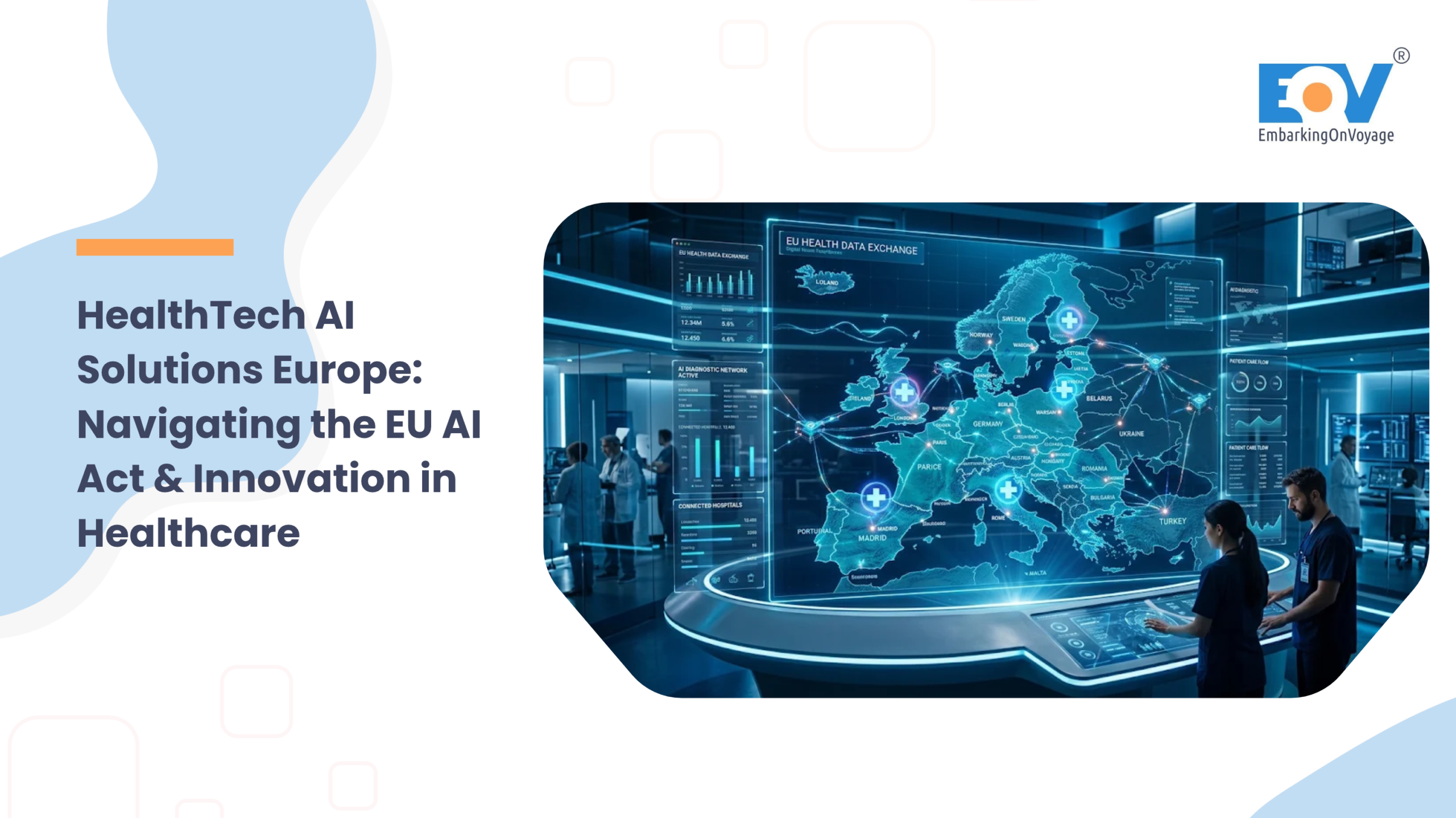
    Agentic AI in Healthcare Systems 

    1. Patient Journey Orchestration 

    Agents coordinate: 

    • Appointments 
    • Diagnostics 
    • Insurance approvals 
    • Follow-ups 

    Outcome: 

    • Reduced wait times 
    • Improved care continuity 

    2. Administrative Automation 

    AI agents handle: 

    • Claims processing 
    • Billing reconciliation 
    • Documentation verification 

    Outcome: 

    • Reduced administrative costs 
    • Faster reimbursements 

    3. Proactive Patient Support 

    Agents monitor patient data and: 

    • Trigger alerts for anomalies 
    • Recommend preventive actions 
    • Coordinate telehealth interventions 

    Outcome: 

    • Better health outcomes 
    • Reduced hospital readmissions 

    Common Goals Across All Five Industries 

    Despite different domains, Agentic AI adoption consistently targets: 

    1. Reduced Human Dependency for Routine Decisions 
    1. Faster Response to Real-Time Events 
    1. Better Customer / User Experience 
    1. Operational Scalability Without Linear Cost Growth 
    1. Improved Accuracy and Compliance 

    Key Challenges to Address 

    Agentic AI is powerful but not plug-and-play. 

    Organizations must plan for: 

    • Data quality and real-time availability 
    • Clear decision boundaries 
    • Human-in-the-loop governance 
    • Security and regulatory compliance 
    • Transparent AI decision logs 

    The goal is responsible autonomy, not uncontrolled automation. 

    The Road Ahead 

    In the coming years, Agentic AI will: 

    • Become the decision layer across digital platforms 
    • Enable cross-industry experiences (travel + payments + insurance + healthcare) 
    • Shift companies from reactive operations to anticipatory systems 
    • Redefine how humans collaborate with software 

    Travel platforms will talk to hotels. FinTech systems will talk to retail engines. Healthcare agents will coordinate with insurance and logistics all through autonomous, goal-driven AI agents. 

    Conclusion 

    Agentic AI is not another trend it is a structural shift in how digital systems operate. Across Agentic AI: Transforming Travel, FinTech, Retail & Healthcare, it enables platforms to move from automation to intelligent action. 

    Organizations that adopt agentic AI thoughtfully with clear goals, strong governance, and measurable outcomes will not just optimize operations. They will reshape experiences, unlock new value, and define the next decade of digital innovation. 

    Latest Blog Highlights: https://embarkingonvoyage.com/blog/understanding-clean-architecture-in-large-mean-and-mern-codebases/

  • How to Choose the Right Co-Creation Software Product Development Partner

    How to Choose the Right Co-Creation Software Product Development Partner

    Right Co-Creation Product Development Partner for years, the software services market has sold a familiar promise that engage with dedicated offshore digital product engineering company, to build and deliver enterprise scalable software product faster and at a lower cost.

    It sounds practical. Efficient. Almost flawless.

    But as someone who has spent years working with founders, CTOs, and product heads across industries, I realised something uncomfortable, products built under classical development methodology rarely succeed beyond the build phase. They ship. They demo well. But they don’t grow, Not because the technology was bad. But because the vision behind the product and its use cases were not validated on the user journey, experiences along with technology.

    That’s where EOV (EmbarkingOnVoyage) started taking shape not as another offshore digital product development company, but as a place that helps clients co-create successful software products.

    The gap I kept Seeing

    The first gap I noticed wasn’t in code quality, but in intent. 

    Most offshore digital product development company models were built to deliver tasks, not outcomes. Developers were measured by hours, not by impact. And product owners, sitting miles away, were left hoping that what they had in mind would somehow translate into the right architecture and user experience. 

    The result? 
    Endless feedback loops, misaligned expectations, and teams that completed sprints but not the vision. 

    I realised the world didn’t need another vendor who could just “code fast.” 
    It needed a partner who could think, build, and evolve together with the client. That’s how the idea of co-creation took root. 

    Co-Creation isn’t a Buzzword  it’s a Belief 

    Co-creation, for us at EOV, means we don’t just work for our clients we work with them. 

    It’s not about assigning a team of engineers to a Jira board and tracking velocity. It’s about deeply understanding why a product exists, who it serves, and how technology can make it better every day. 

    When you start from that belief, everything changes

    • Conversations shift from “How many developers can you provide?” to “How can we make this product win?” 
    • Code reviews become product conversations. 
    • Roadmaps start aligning with user outcomes, not sprint deadlines. 

    And that’s when you realise the best software isn’t just built. It’s co-created. 

    When the Vision Became Clear

    I remember one of our early client discussions vividly. 

    We were talking to a mid-sized product company from Europe. Their CTO was experienced, their road map clear, and they came to us with a request for “a small offshore team to scale faster.” 

    Three months in, the team was delivering code good code but there was something missing. The client’s team felt disconnected. Our developers understood the tasks but not the “why” behind them. 

    So, we paused. 

    We flew their product head down for a 5-day workshop in Pune. We spent hours not writing a single line of code, but mapping product intent  user journeys, market behaviour, and the product’s emotional value. 

    That week changed everything. 

    Suddenly, the client’s road map and our delivery rhythm were synchronized. Developers could see how their work shaped the product experience. 

    Within a quarter, not only did the velocity improve the product adoption curve did too. 

    That’s when I knew: the offshore model was broken. But the partnership model wasn’t. 

    First Principle is to Understand the Product Vision 

    Every successful engagement we’ve had since then has one thing in common i.e we start by understanding the product vision before we write a single line of code. 

    At EOV, this isn’t just a process and it’s our culture. We spend time studying not just the product backlog, but the market, the competitors, and the long-term business intent. 

    If you want to modernize a legacy system, we want to know why. If you’re building a new SaaS product, we want to understand what gap you’re closing.  It’s only when we align with that clarity that we can make architectural, UX, and technology decisions that stand the test of scale. That’s what we mean when we say we co-create. 

    Why Co-Creation Demands Shared Responsibility

    There’s a common misconception among some clients that once they onboard an extended team, the team will “take over” and the client can step away. 

    That’s not how co-creation works. 

    A product’s future is always best known to the client’s core product team the CTO, CPO, or founder. 
    Our role as a co-creation partner is to bring clarity, discipline, and technical excellence to make that vision real. 

    That means: 

    • The client’s team must stay involved, especially in the first 6 months. 
    • Architecture and key decisions should always be led by the client’s vision but POCs and validations should happen together. 
    • Productivity shouldn’t be judged in the first few weeks the real alignment and acceleration begin after 8 weeks when mutual understanding matures. 

    Co-creation succeeds when both sides stay engaged, honest, and invested. 

    It’s not about less involvement it’s about better collaboration. 

    How EOV Is Structured as the Right Co-Creation Product Development Partner

    When I decided to formalize EOV’s approach, I didn’t want to replicate the typical service-company hierarchy. 

    We didn’t need “project managers” pushing updates. We needed mentors and architects who could think alongside the client. 

    So we built around three pillars: 

    1. Product Engineering Excellence — Our engineers are trained not only in modern stacks like React, Angular, Node.js, and .NET Core but also in understanding why architecture decisions are made. We align on outcomes, not ticket counts. 
    1. UX that drives success — We don’t just design interfaces; we design experiences that work in the real world. 
      Every UX decision is tied to a measurable user or business outcome. 
    1. Mentorship-driven culture — At EOV, everyone is encouraged to act as a peer mentor. No traditional managers. No silos. The idea is simple, when everyone understands the why, they take ownership of the how. 

    That’s how we build teams that think like product partners, not service vendors. 

    Emotional Side of Building Differently 

    Building EOV this way wasn’t easy. 

    There were times when we lost deals because we refused to compete on hourly rates. We walked away from clients who wanted “just developers.”  And yet, every time we did, I felt confident because our goal isn’t to fill time sheets; it’s to create impact. 

    Over time, the right clients found us founders, CTOs, and product heads who didn’t just want to ship software but wanted to build something meaningful.  They saw that when a team is emotionally invested in the product’s success, the outcome is very different.  That’s when you stop being an offshore digital product development company and start being a strategic partner. 

    Why this Philosophy Matters in Today’s World 

    The tech industry is changing fast. Generative AI, low-code platforms, and microservices are simplifying the how. 
    But the why understanding users, markets, and business context has become even more critical. 

    In this new landscape, simply having a “dedicated digital product development team” isn’t enough. The question every CTO or founder should ask is:  “Does my extended team understand my product well enough to make decisions I would trust?” 

    That’s where co-creation shines. Because co-creation isn’t about replacing your team it’s about extending your vision. 

    Lessons Learned as a CEO of Digital Product Engineering Services Company

    After years of building EOV around this principle, a few truths have become clear to me: 

    1. Clients don’t need vendors they need allies – Someone who shares the weight of success and failure equally. 
    1. Product success is a shared emotion – Teams that understand the purpose behind the product make better decisions every day. 
    1. Architecture is not about tech it’s about trust – The best technical decisions come from open, iterative discussions between client and partner teams. 
    1. Co-creation requires maturity – It demands patience in the first few months and consistency thereafter. 
    1. The offshore model will survive but the partnership model will win. 

    A note to CTOs, CPOs, and Founders of Enterprises Tech Companies & Digital Agencies

    If you’re thinking about partnering with an engineering team, here’s my honest advice: 

    1. Don’t look for the cheapest team. 
    2. Look for the one that asks you the right questions. 
    3. Don’t expect them to know your product overnight. 
    4. Give them time to learn your world and they’ll multiply your capacity. 
    5. Don’t step away after onboarding. 
    6. Stay involved, especially in the early phase your clarity will shape their momentum. 

    And most importantly, don’t settle for a team that only delivers what’s written. Find one that thinks with you questions, challenges, and co-creates. That’s where the real success begins. 

    Why EOV Exists as Co-Creation or as Digital Product Development Partner

    EOV was never meant to be just a software development company. It’s a belief system that great products are born when engineering and vision align. We exist to help clients translate vision into value, not just code into releases. 

    We don’t sell capacity. We build clarity, confidence, and continuity for every product we touch. That’s what makes EOV different and that’s what keeps us evolving. 

    Conclusion

    When I look back at the journey so far, I realise the world doesn’t need more teams writing code faster. It needs more teams that understand why they’re writing it in the first place. That’s what we stand for at EOV. That’s why I chose to build a company that doesn’t just deliver it co-creates. Because in the end, software is not a service. It’s a shared journey from vision to value. 

    Latest Blog Highlights: https://embarkingonvoyage.com/blog/blazor-webassembly-for-building-fast-client-side-apps-with-net/


  • Are You Ready to Co-Partner for Product Development and Modernisation

    Are You Ready to Co-Partner for Product Development and Modernisation

    Introduction

    Building a product alone can feel heroic, but it’s rarely efficient especially when you’re scaling and need a trusted Co-Partner for Product Development and Modernisation. Most product companies don’t fail due to a lack of engineering talent; they fail when their product vision outgrows their team’s bandwidth. Architecture decisions get delayed, releases slow down, and teams burn out.

    That’s usually the moment you start thinking: Is it time to bring in a partner?

    But the real question isn’t who to partner with it’s whether you’re truly ready to work with a co-product creator, not just a development team.

    Co-Partnering for Product Development and Modernisation Is Not Outsourcing 

    Co-partnering isn’t about handing over work it’s about sharing ownership. Two teams working toward one shared goal making the product successful is what true co-engineering looks like. It’s built on trust, alignment, and joint accountability. You can outsource development. But you can’t outsource vision.

    Signs you’re ready 

    • Clear product vision but limited bandwidth

    Your roadmap is ready. Backlog prioritized. Business case sound.  Your team is just too busy with maintenance and firefighting.  A co-partner extends your team, taking responsibility for modules or features while staying aligned with your rhythm. 

    • Planning modernization but unsure how 

    Product modernization is not just a technical upgrade, it is a complete product evolution. A Co-Partner for Product Development and Modernisation brings the right frameworks, architectural clarity, and a safe path to scale and modernise.

    • Strong team, but missing depth 

    Your engineers are skilled, but you may lack advanced front-end, DevOps, or architectural clarity. The right partner doesn’t just add people, they add depth. depth. 

    • Peer collaboration matters 

    Co-partnering works when engineers from both sides collaborate as peers, debating, reviewing, and sharing responsibility.

    • You focus on outcomes, not output 

    If your success metrics are only (tickets closed), you’re thinking like a vendor. Measure user adoption, performance, and time-to-market, that’s when a partner truly adds value.

    Co Partner Readiness Checklist for Product Development and Modernisation

    AreaAsk YourselfWhy It Matters 
    Product VisionCan we share our roadmap openly?Clarity is essential for alignment 
    Architecture Do we know what must evolve? Determines where the partner adds value 
    Team CultureAre we open to collaboration? Transparency drives co-engineering 
    Delivery Process Can the partner align to our agile rhythm? Smooth integration depends on the partner or co-partner alignment
    Success MetricsDo we measure impact, not effort? Shared outcomes make the partnership effective 

    The First 6 Months: Where the Foundation Is Built 

    During the initial 6 months: 

    • The client team must dedicate substantial time to hand holding, explaining product origin, business context, and road map. 
    • Misunderstandings here can derail alignment later. 
    • Productivity is usually measurable after 8 weeks, once the partner team internalises the vision and workflow rhythm.

    Shared ownership, not total delegation: 

    Co-creation doesn’t mean the extended team does everything while the client stays passive.  Clients remain the custodians of the product’s future, especially for architectural decisions.

    Basically, POCs should be built collaboratively with the partner, but the final decisions should always rest with the client.

    Why Companies Delay & What it Costs

    Many leaders wait too long fearing loss of control or misunderstanding by the partner. Delays multiply technical debt, slow delivery, and hurt morale. 

    The right time to co-partner is just before bandwidth becomes a bottleneck. When expectations are clear, integration is smoother, and trust can form naturally. 

    Benefits of co partnering in engineering

    • Architecture validated faster 
    • Road map estimates more realistic 
    • Shared accountability improves quality 
    • Culture shifts from delivery to ownership 

    Good partners don’t just write code. They challenge, think, and improve. 

    The mindset that powers effective Co-partnering

    Co-partnering works when the client sees the partner as an extension of the team.  Openness, trust, and valuing ideas over hierarchy are more important than price or location. 

    Final thought: readiness is about maturity 

    Co-partnering isn’t for every company and that’s okay. 

    But when you’re ready: 

    • You move faster 
    • You think deeper 
    • You deliver with confidence 

    The right partner completes your team. They challenge, strengthen, and help turn vision into value. 

    Conclusion

    Co-partnering isn’t just a support decision it’s a growth decision. When your vision is clear, your team is stretched, and you’re ready to share ownership, the right partner can accelerate everything: delivery, thinking, and impact. If you’re prepared to build with someone instead of through someone, you’re ready to co-partner.

    Latest Blog Highlights: https://embarkingonvoyage.com/blog/building-your-first-minimal-api-using-net-6-and-c/

  • How MCP-Enabled Co-Pilot Streamlines Enterprise AI and Cuts Costs?

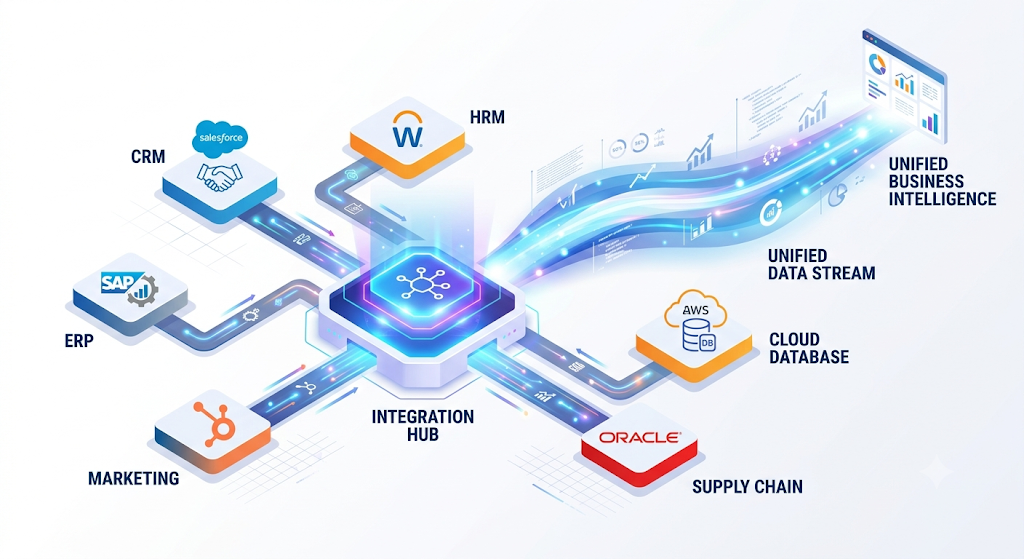
    In today’s competitive enterprise landscape, AI assistants are evolving beyond simple task automation—they are becoming strategic business enablers. Imagine a “Co-Pilot” that not only understands instructions but also executes them across CRM, ERP, DevOps, and other critical enterprise systems. With MCP-enabled Co-Pilot, this vision is now achievable. 

    What Is MCP in Business Terms? 

    The Model Context Protocol (MCP) functions like a universal connector—similar to how USB-C standardizes hardware connections, MCP standardizes AI integration with enterprise systems.

    It allows AI assistants like Co-Pilot to discover, invoke, and interact with business services without requiring custom-coded integrations. 

    From retrieving sales reports to updating support tickets or automating workflows, MCP-enabled Co-Pilot ensures smooth, reliable interaction between AI and enterprise tools, boosting productivity and operational efficiency. 

    Why MCP-Enabled Co-Pilot Is a Strategic Advantage 

    Faster Delivery with Minimal Coding 

    Integration no longer requires weeks of custom development. MCP-enabled Co-Pilot plugs into MCP servers, acting as universal interfaces. This reduces integration timelines from weeks to just days. 

    Future-Ready and Maintainable 

    Adding or updating enterprise systems becomes a centralized operation. MCP-enabled Co-Pilot adapts automatically, lowering technical debt and simplifying ongoing maintenance. 

    Built-In Governance 

    MCP in Copilot Studio includes enterprise-grade governance: authentication, security, version control, and audit logging—all automatically managed within Microsoft’s ecosystem. 

    Real-World Applications of MCP-Enabled Co-Pilot 

    1. Customer Support Acceleration 

    Support teams using Dynamics 365 can let MCP-enabled Co-Pilot access case data, update tickets, and add notes directly via MCP. No custom coding is required, enabling faster resolution and improved customer satisfaction. 

    2. DevOps Workflow Streamlining 

    In IDEs like VS Code or JetBrains, Co-Pilot can integrate with MCP-connected tools such as GitHub, Slack, or internal documentation. MCP-enabled Co-Pilot can summarize pull requests or provide project insights automatically, eliminating manual integration and enhancing team productivity. 

    3. Web SEO 2.0 and Agentic Operations 

    MCP empowers AI to deliver natural-language search embedded in enterprise operations. From flight status to inventory and pricing queries, MCP-enabled Co-Pilot enables conversational access to essential services, creating a paradigm shift beyond traditional search models. 

    Driving ROI: Faster Delivery and Lower TCO 

    Metric Without MCP With MCP-Enabled Co-Pilot 
    Integration Time 2–3 weeks 1–2 days 
    Development Effort Dev team builds & maintains connectors Plug-and-play via MCP server 
    Maintenance Costs High Reduced with centralized updates 

    Total Cost of Ownership (TCO) Benefits: 

    • Lower initial development cost: MCP streamlines integrations. 
    • Reduced maintenance overhead: Centralized updates replace tool-by-tool changes. 
    • Faster ROI: Co-Pilot becomes operational faster, delivering measurable business impact. 

    Risk Management & Safety 

    While MCP-enabled Co-Pilot streamlines integrations, enterprises must mitigate potential risks like rogue servers or unauthorized actions.

    Recommended measures include using corporate governance frameworks, auditing tools such as MCPSafetyScanner, and controlled tool provisioning. 

    Microsoft’s implementation in Copilot Studio addresses these challenges through secure connectivity, policy enforcement, and transparent tool tracing—ensuring safe, reliable AI operations. 

    Final Thoughts for Enterprise Leaders 

    The true value of MCP-enabled Co-Pilot lies in smarter execution: 

    • Speed: Rapid onboarding and integration of new tools 
    • Scale: Add or update enterprise systems without code rewrites 
    • Security: Governed, logged, enterprise-grade operations 
    • Insight: Traceable, auditable actions with MCP analytics 

    In a world where AI agents are becoming the primary interface for enterprise operations, MCP-enabled Co-Pilot ensures your AI doesn’t just communicate—it acts, delivers, and drives measurable value. 

    Additional Resources: